When a building reaches a certain size, one could say it becomes ‘too big’ for the Architect to control.
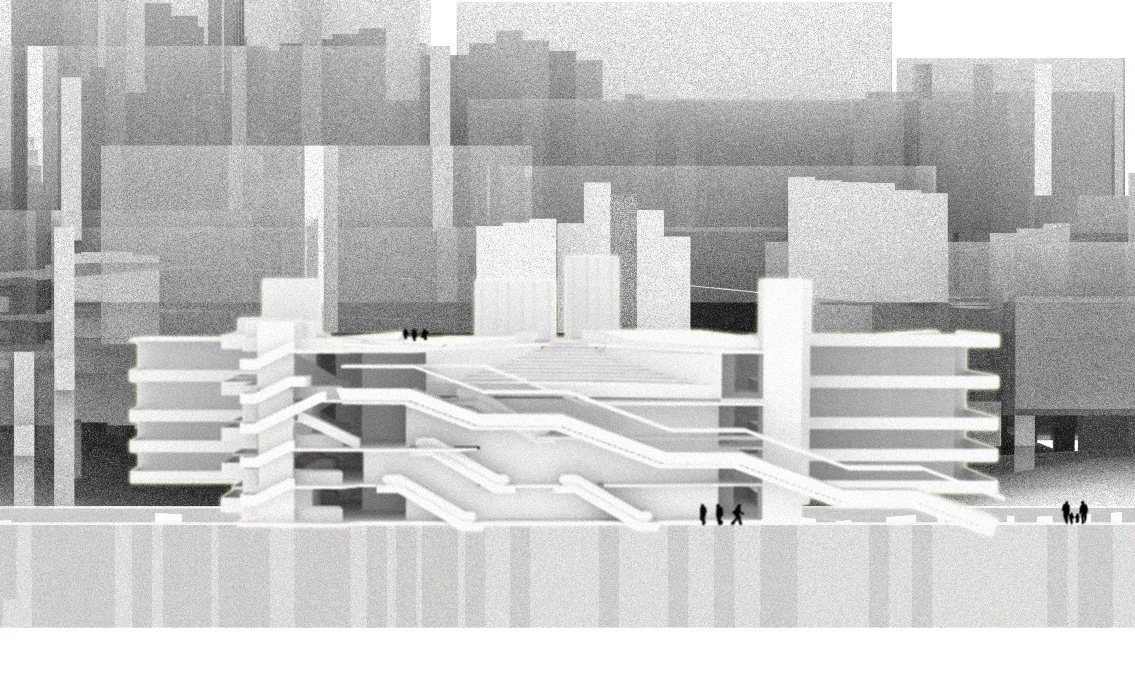
The demands for structure, services, and coordination of many consultations reaches a whole new level; a level where the Architect’s control over design diminishes. Any programmatic intent is forced to give way to the large false ceilings, and imposing lift cores disrupting the floor plates. The opportunity for blurring of spaces is lost, as each is contained and padded by its many service requirements.
The tower has become so high, so big, so driven by its many needs that its position in its urban context is a discussion that for feasibility sakes is saved for smaller buildings. It is completely disconnected, operates on its own with no relation to its surroundings.
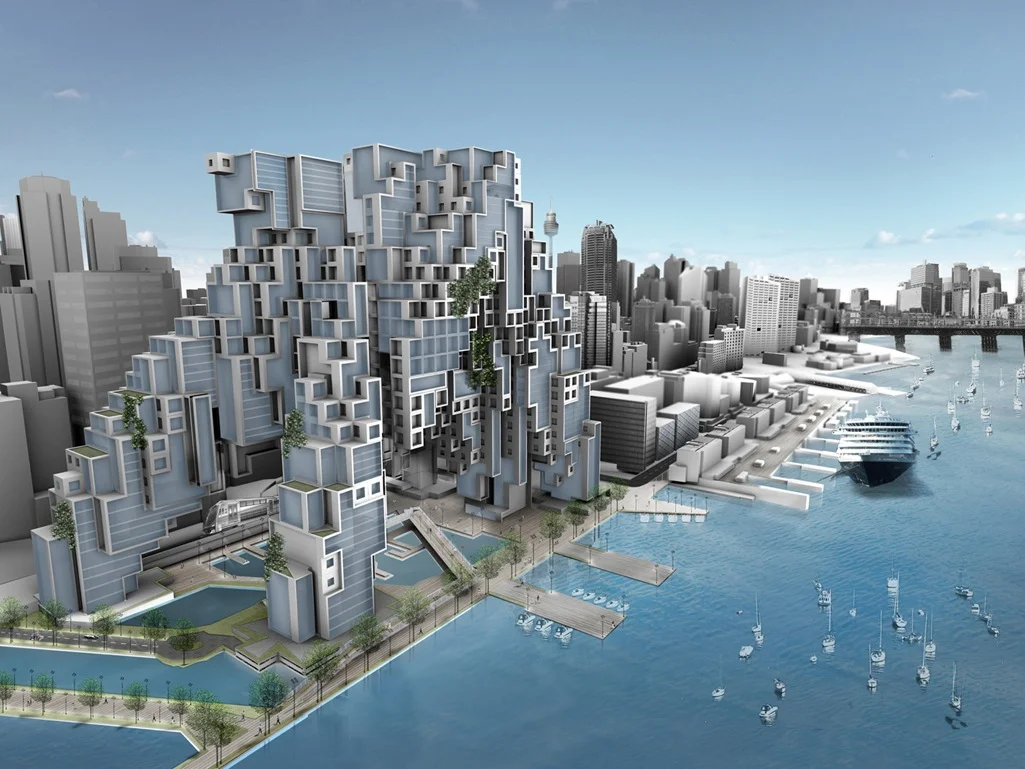
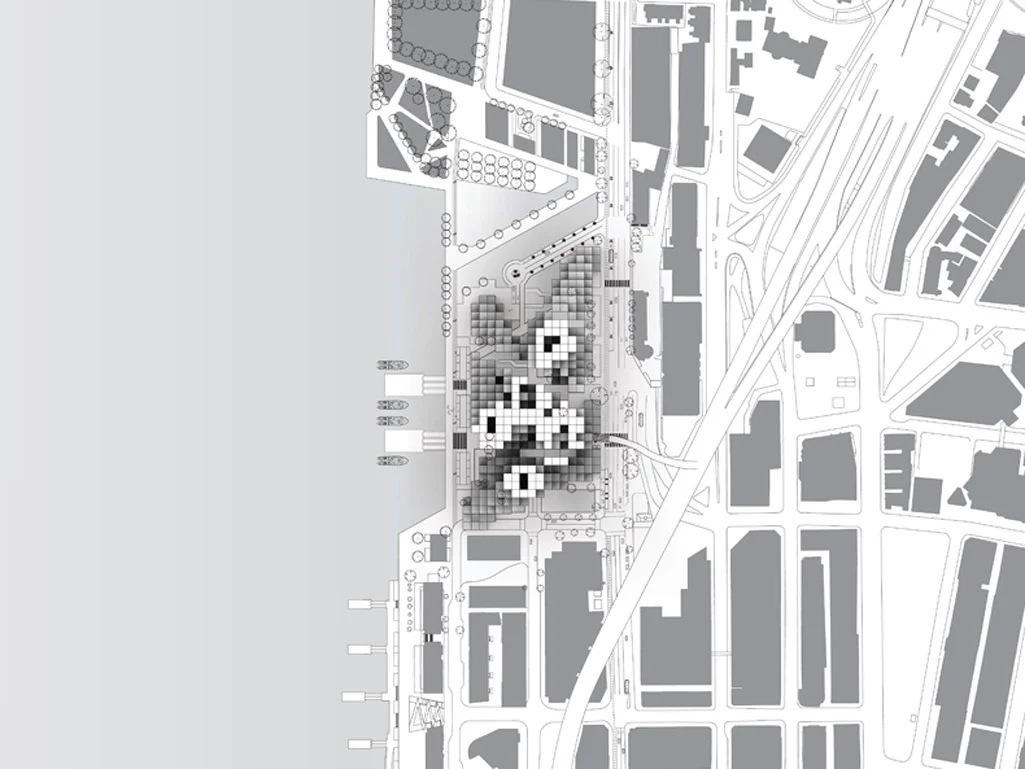
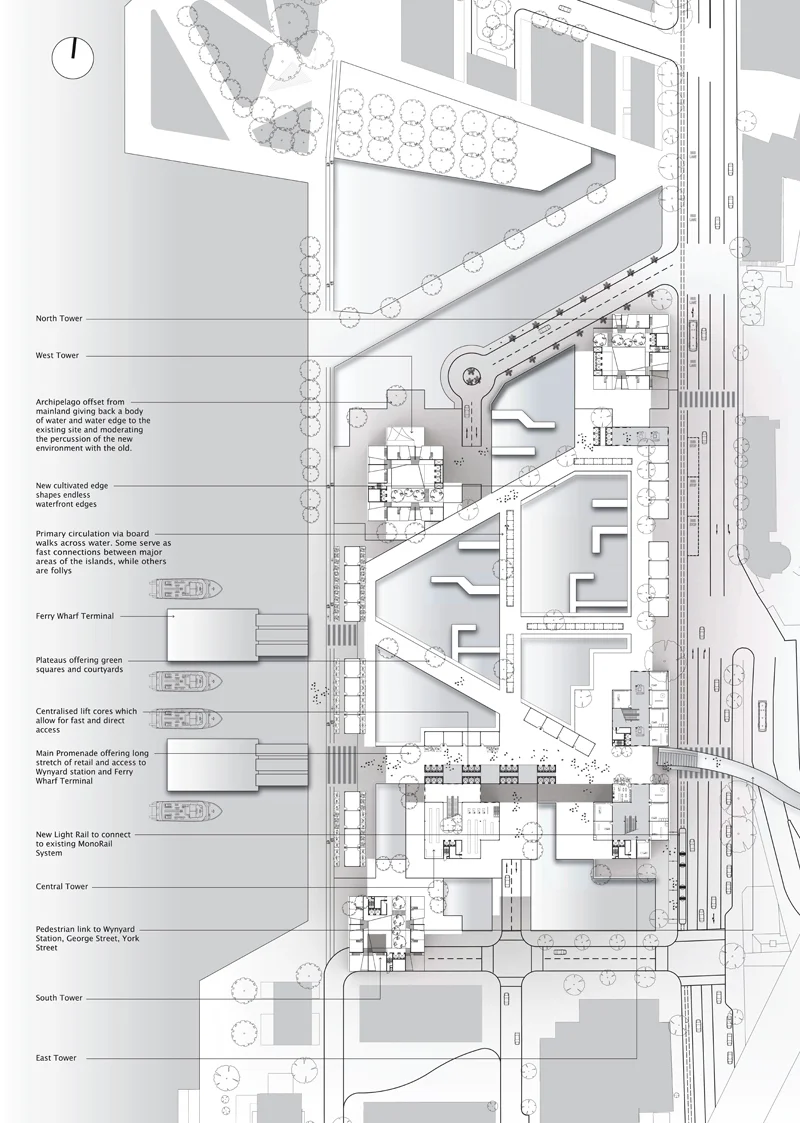
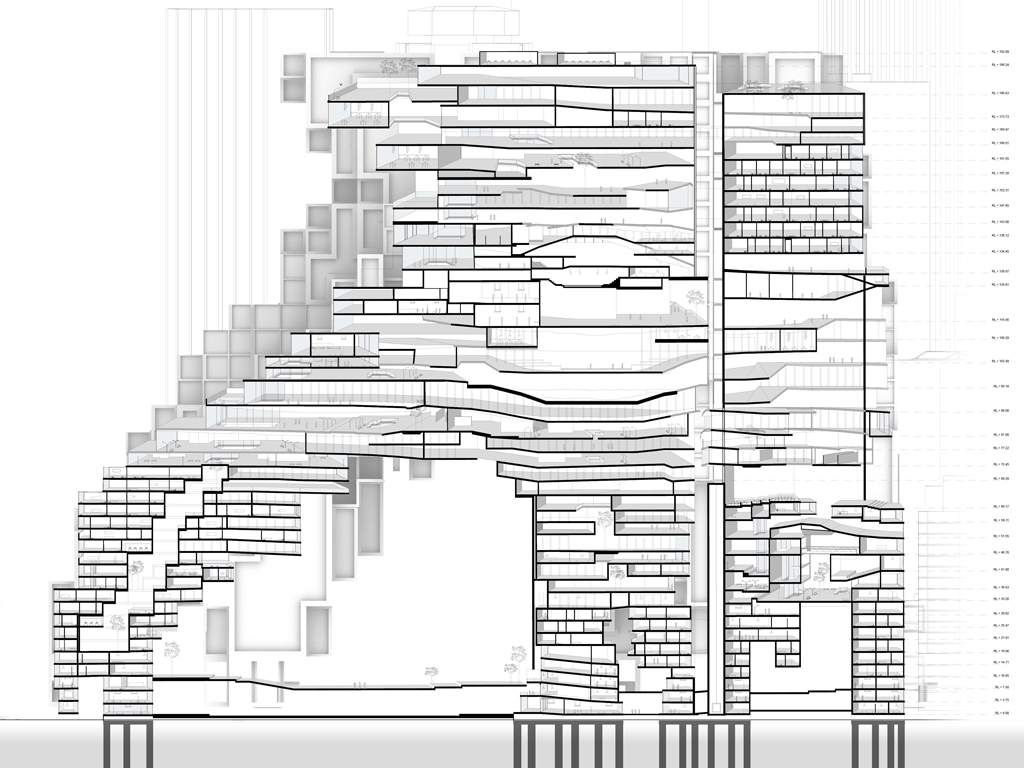
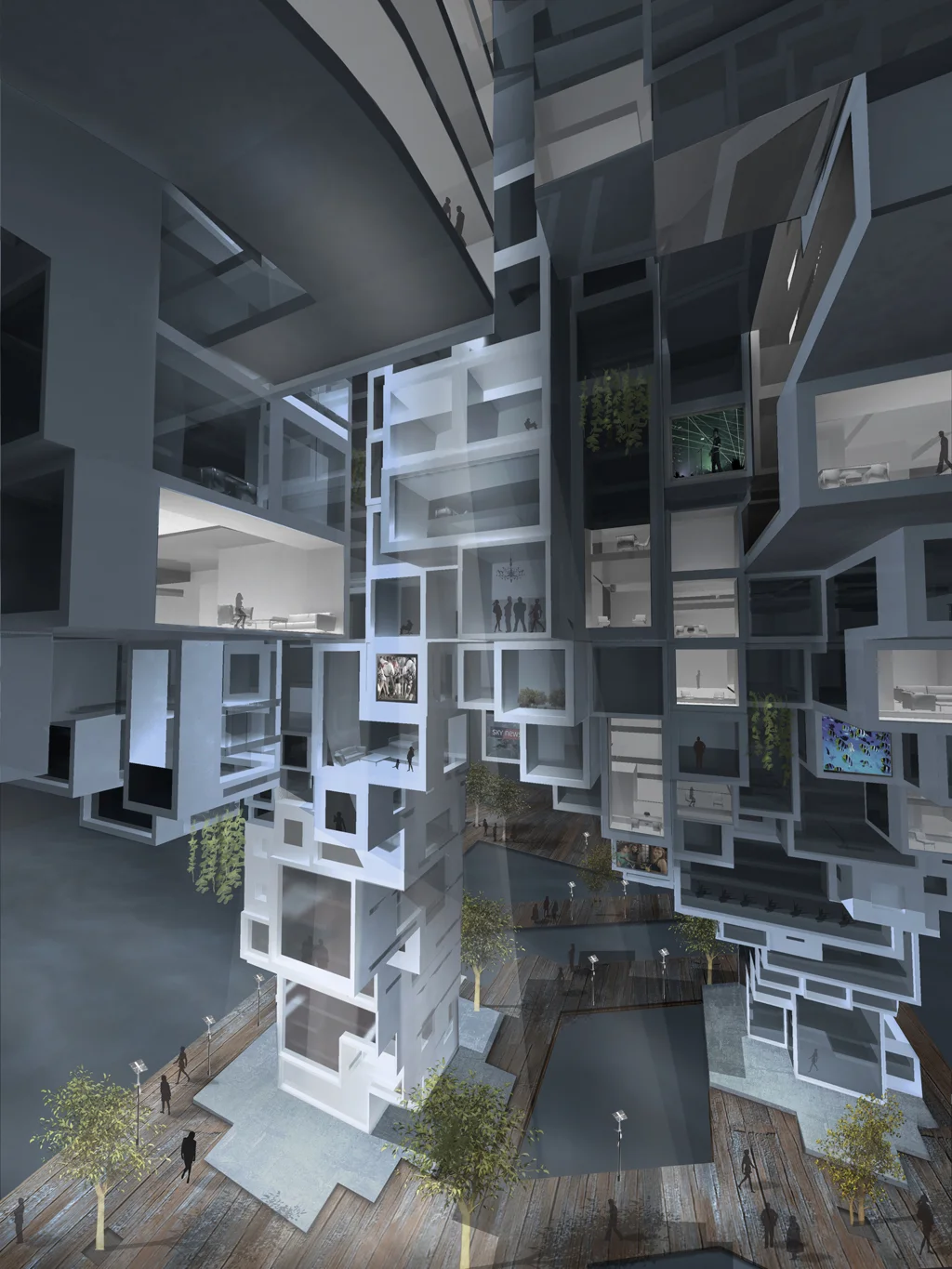
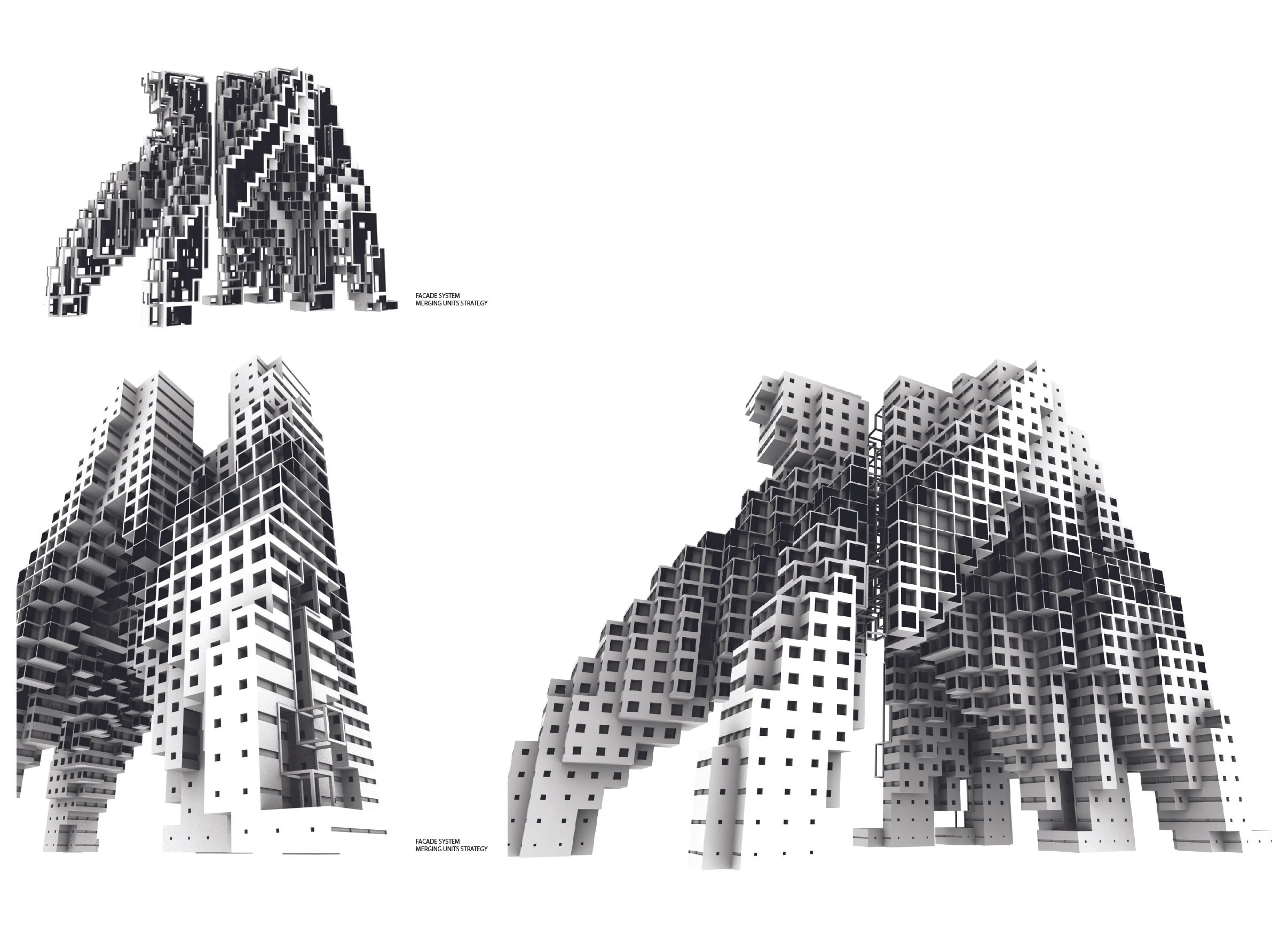
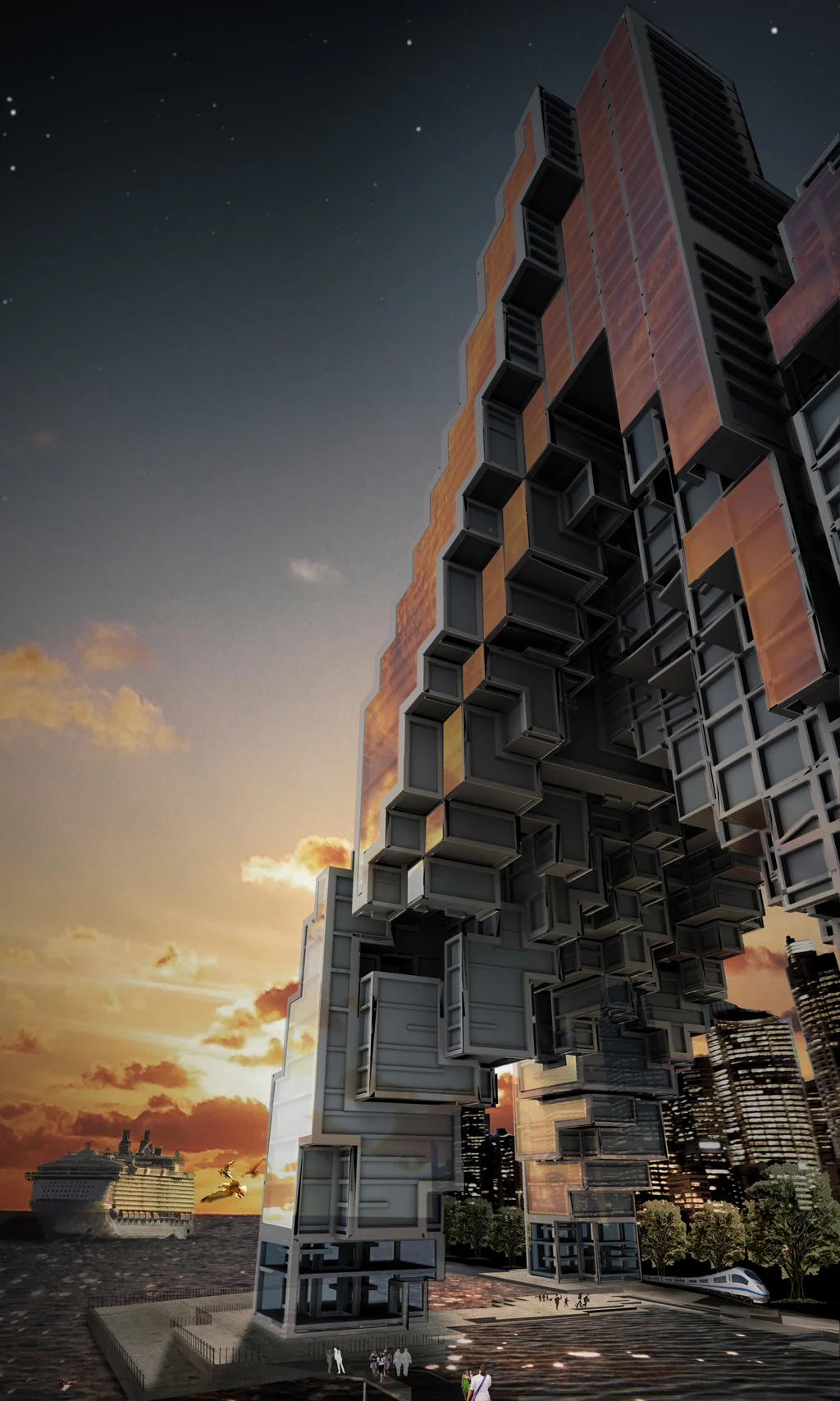
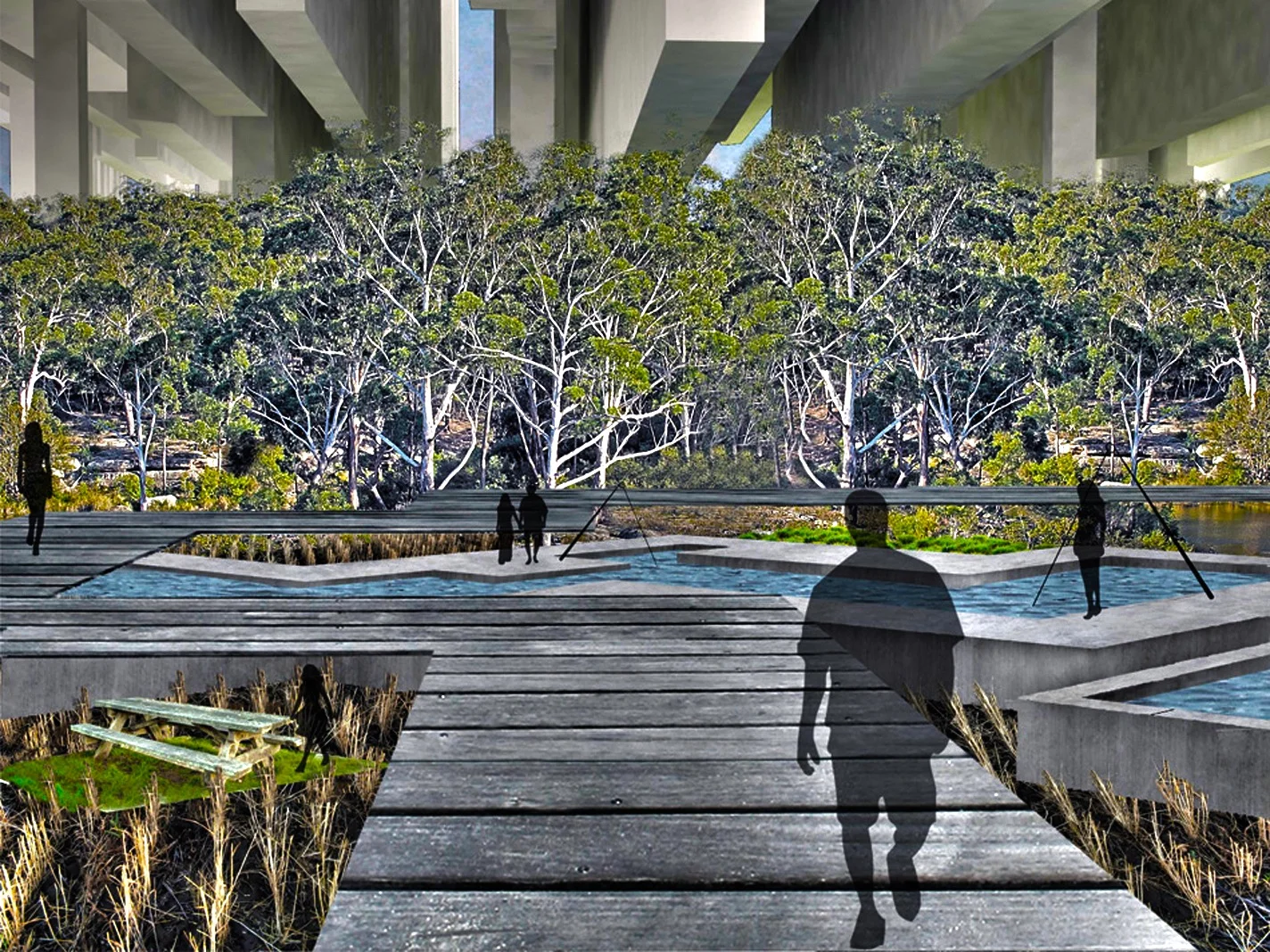
The Contemporary Highrise is set in the realm of the East Darling Harbour Barangaroo Competition and proposes a series of networked towers that attempt to accommodate for a highly dense community, while focusing on addressing the nature of Sydney as a rapidly growing city, and questioning the [traditional] nature of the tower as a mixed use environment.
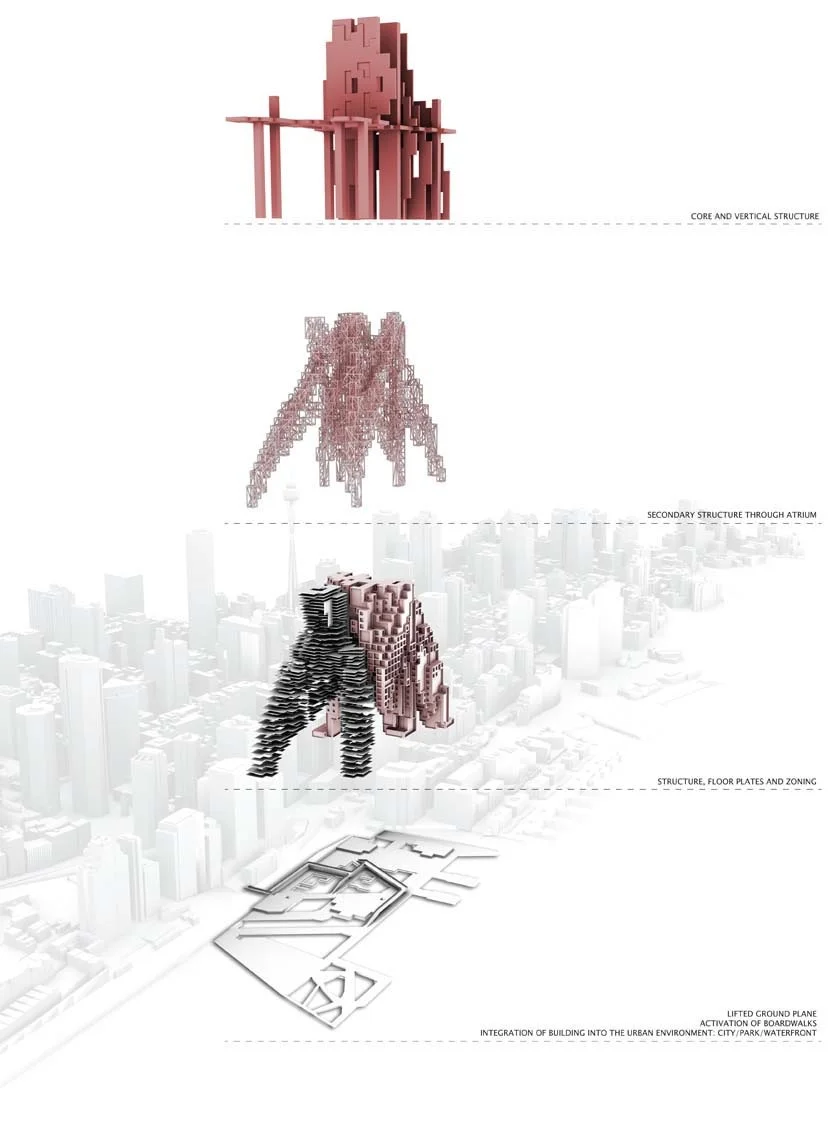
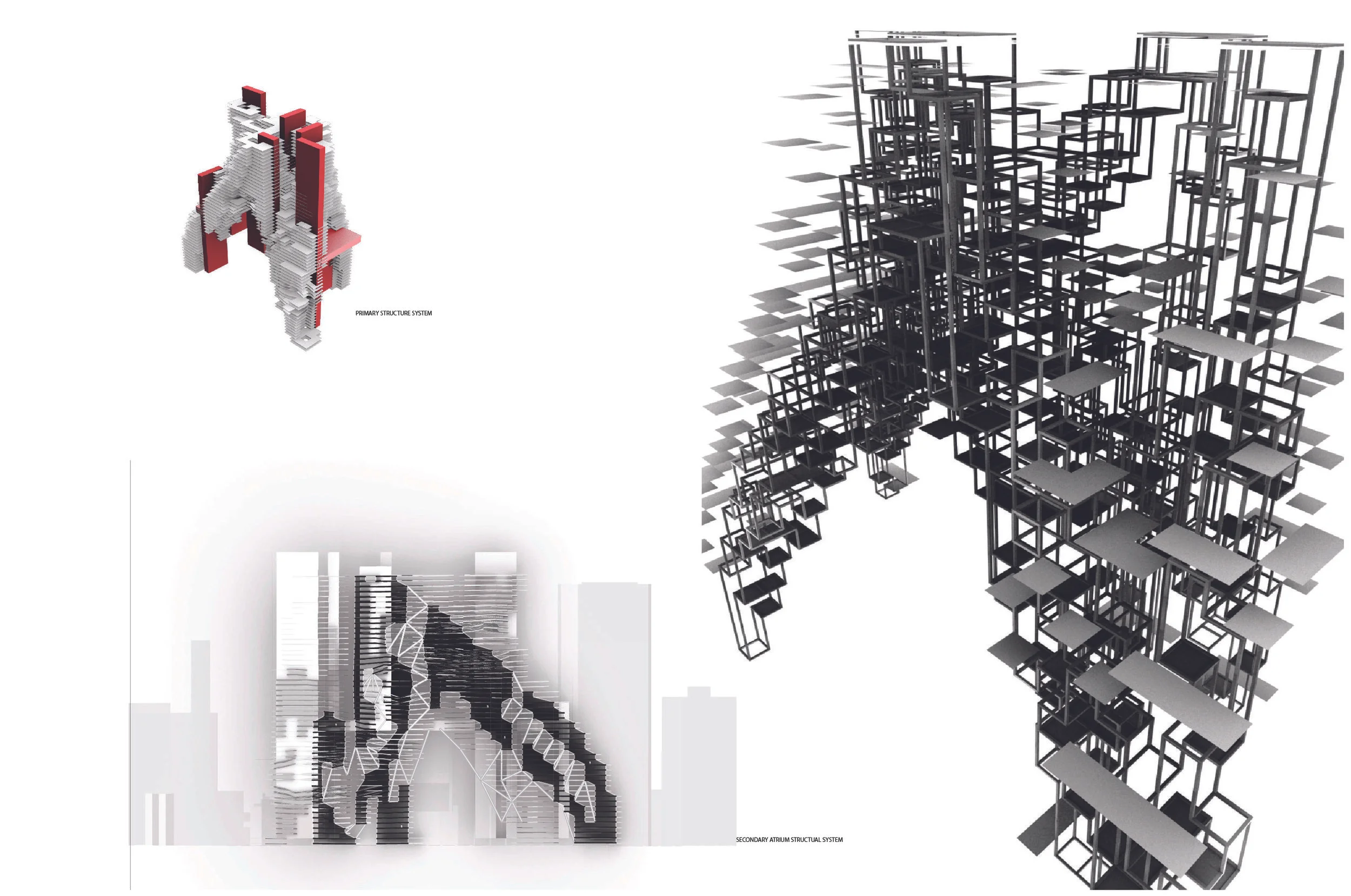
In determining this, the proposed scheme focuses on the opportunities provided by parametric design, allowing structure, lift cores, floor plates and facade to meet at an optimal point where each system is at a maximum efficiency without compensating the design.
Each system explored proved flexible and subtle enough to respond to contingent conditions, and responsive enough to deal with each system. With all these systems reached, a potential design model is realized; one that can redefine Sydney’s tower typology. Rather than being a series of single isolated buildings, the city can act as an integrated network of built environments and thus, allow for rapid urban growth and extension.
Project Team: Ben Yee, Tony Ho, Nora Hyasat, Olga Kambas, Melissa Riley
Project Tutor: Ben Hewett
Master of Architecture
Spring Semester 2010
University of Technology, Sydney
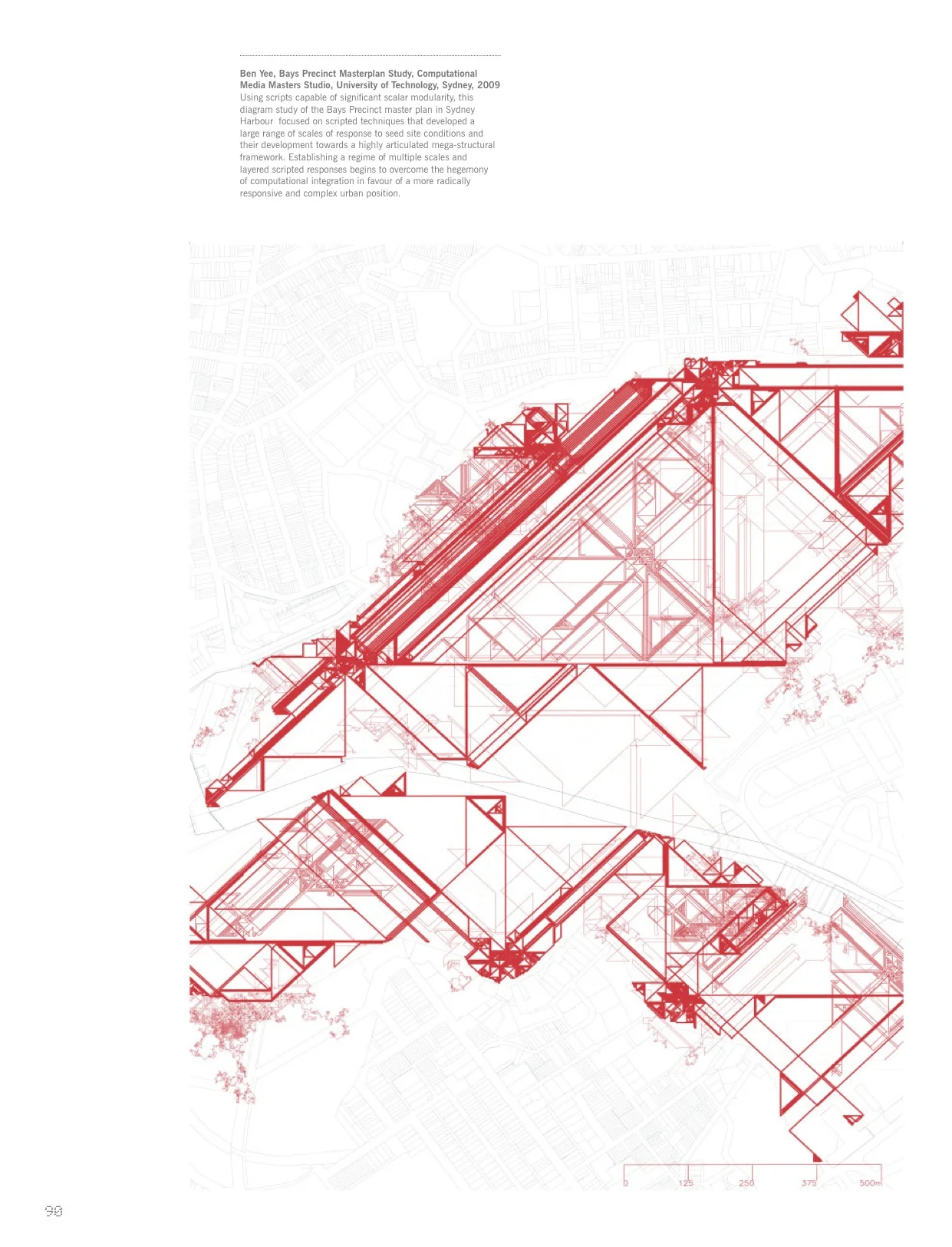
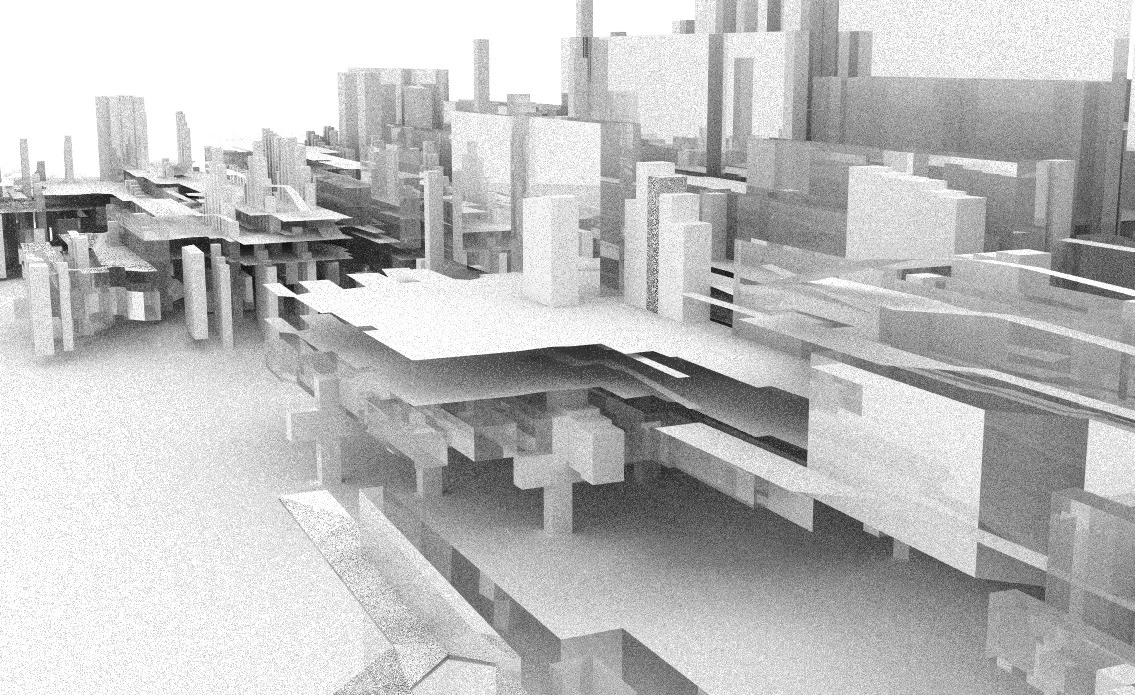
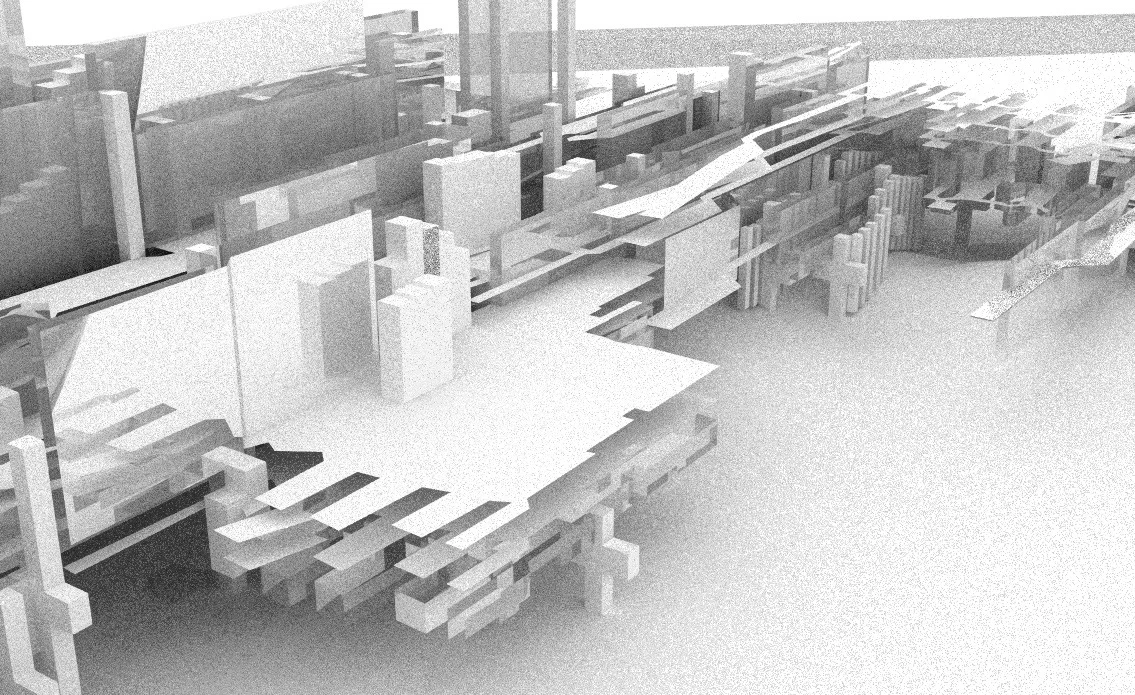
Revisiting the Megastructure movement of the 1960s and assessing its provocation and failures marked the beginning of the project. It recognized the early potential failure of megastructure such as its lack of sensitivity to its surroundings, unpractical, conventional methods of production and unrealistic, uninhabitable proposed spaces. Yet through the appreciation of complex theory, modularity and assemblages, one cannot ignore its potential.
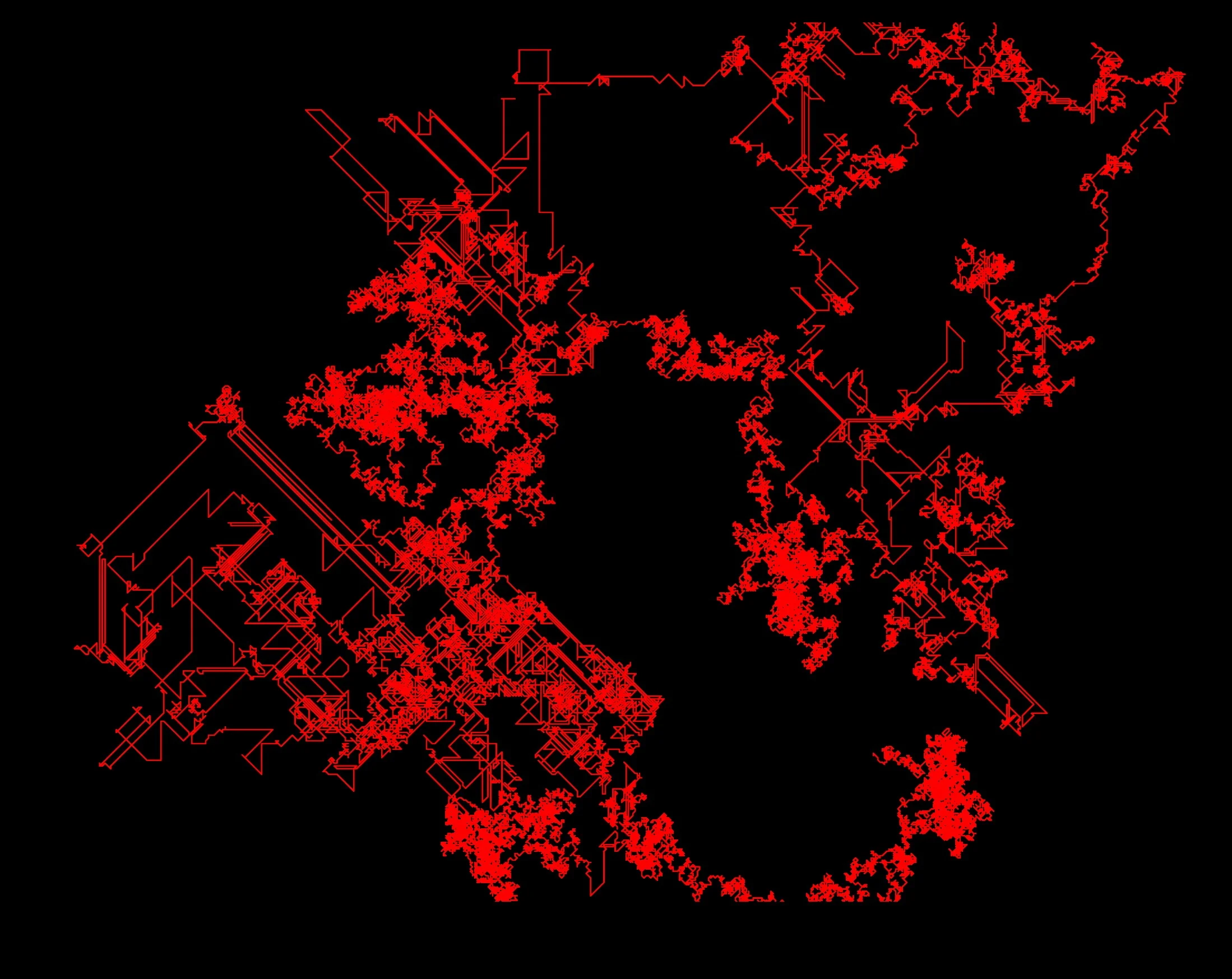
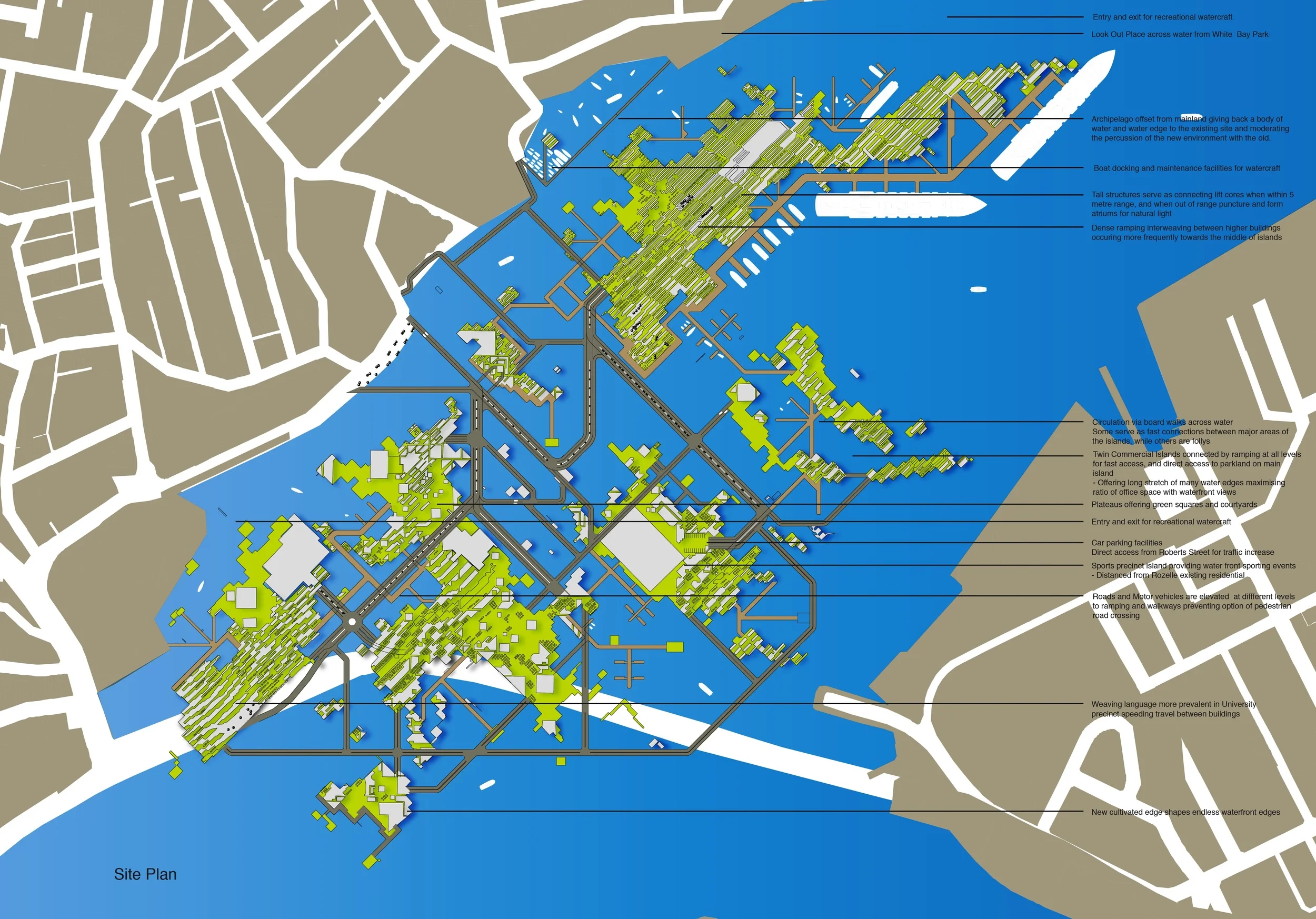
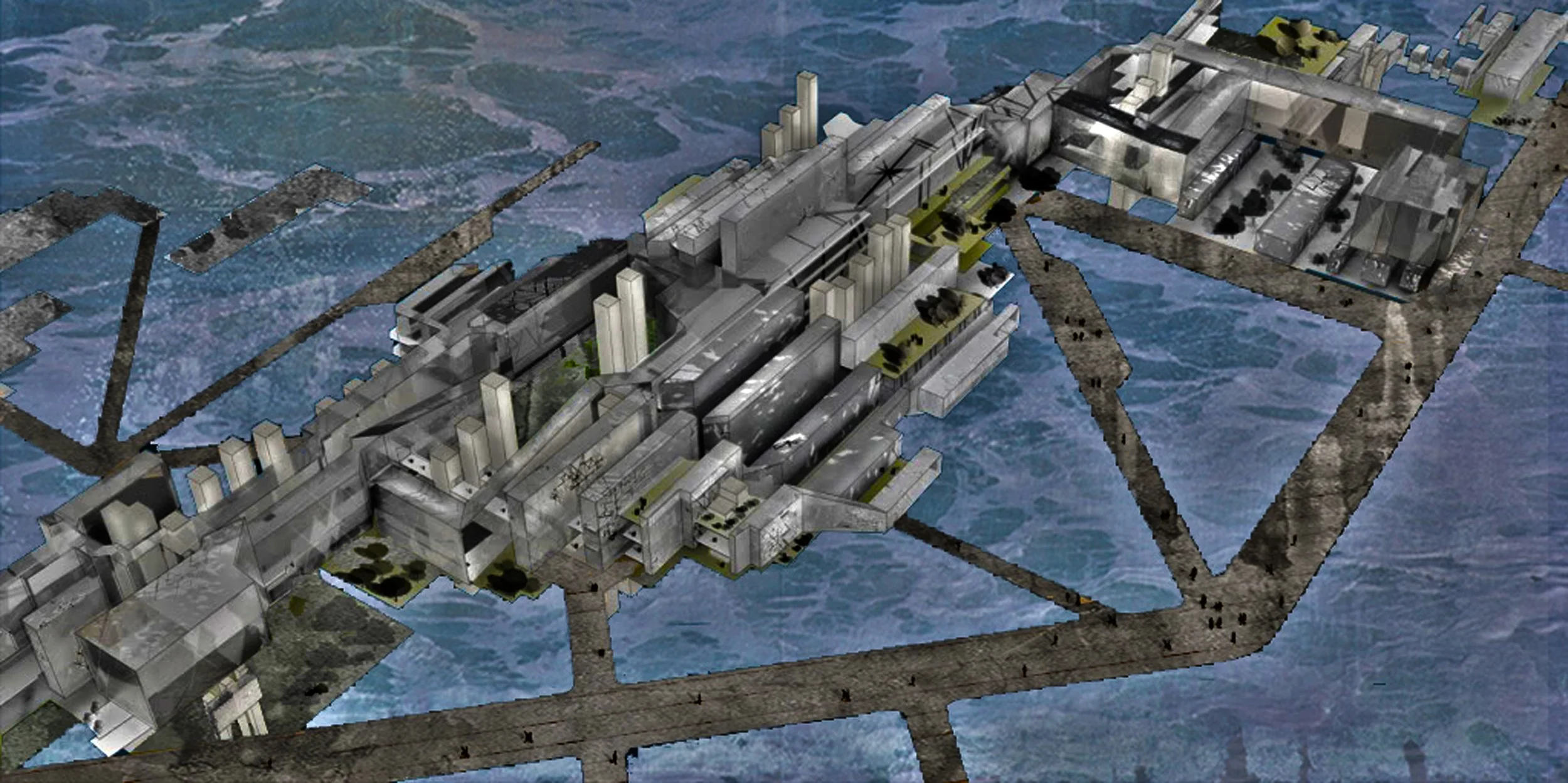
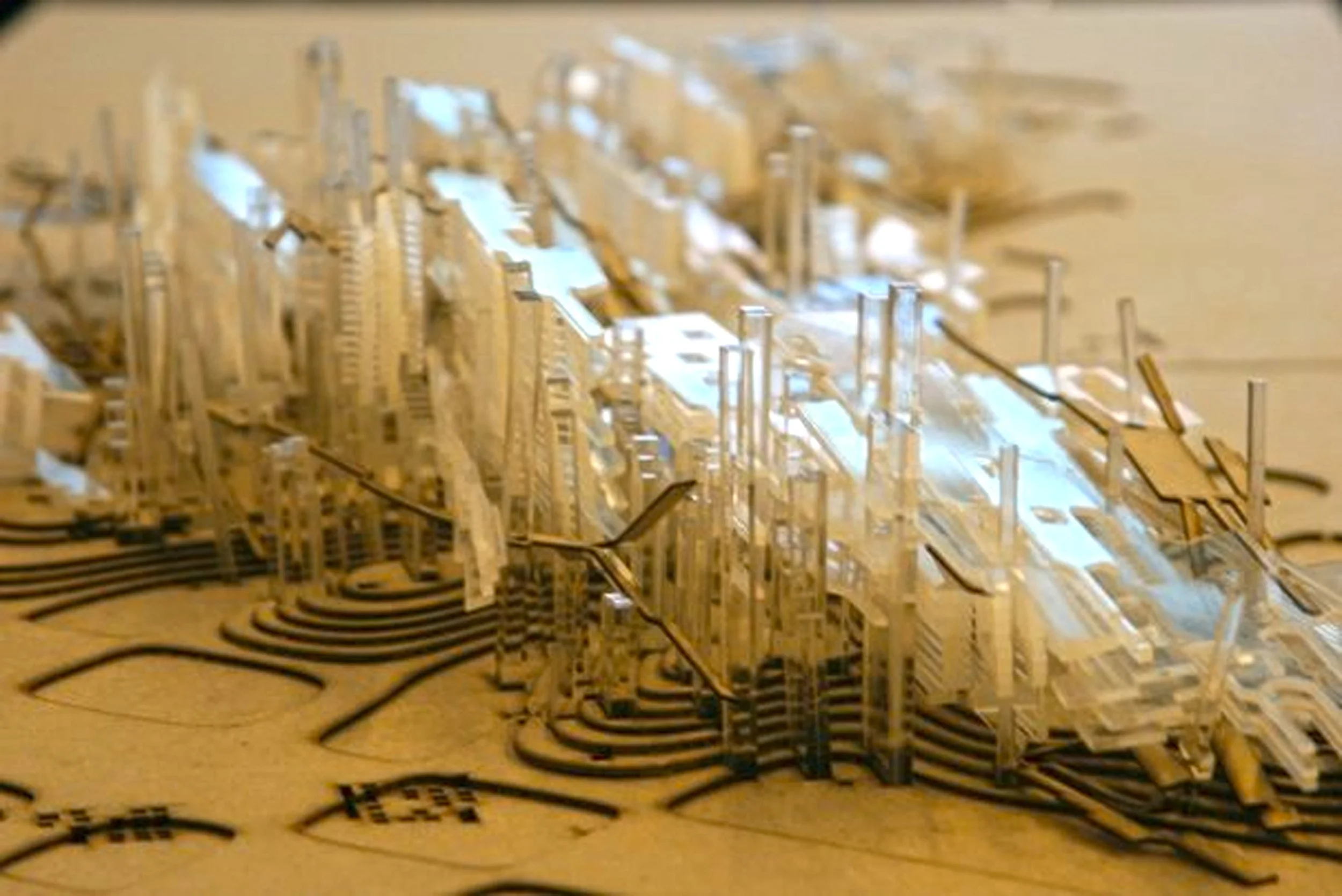
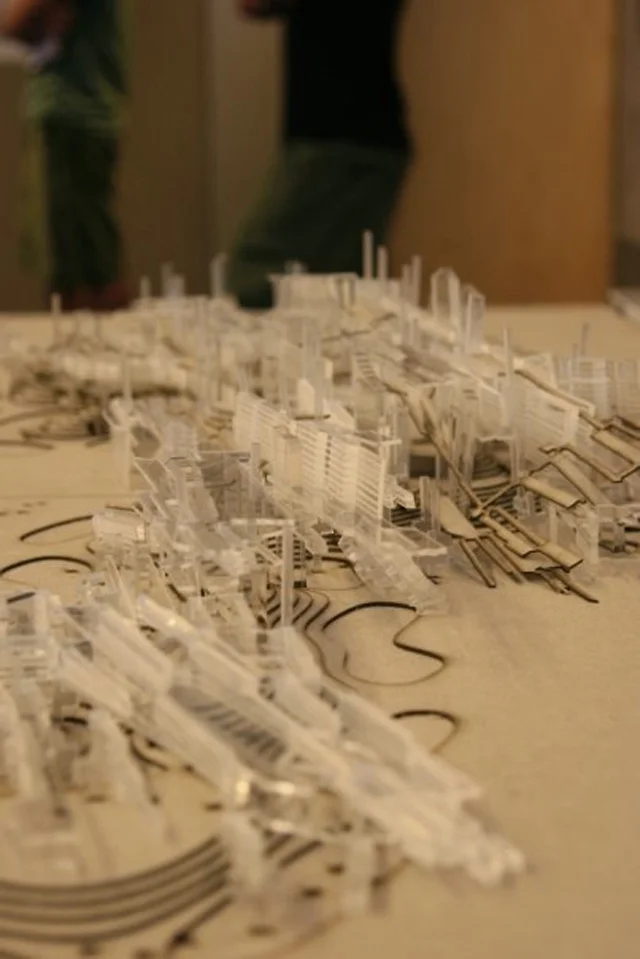
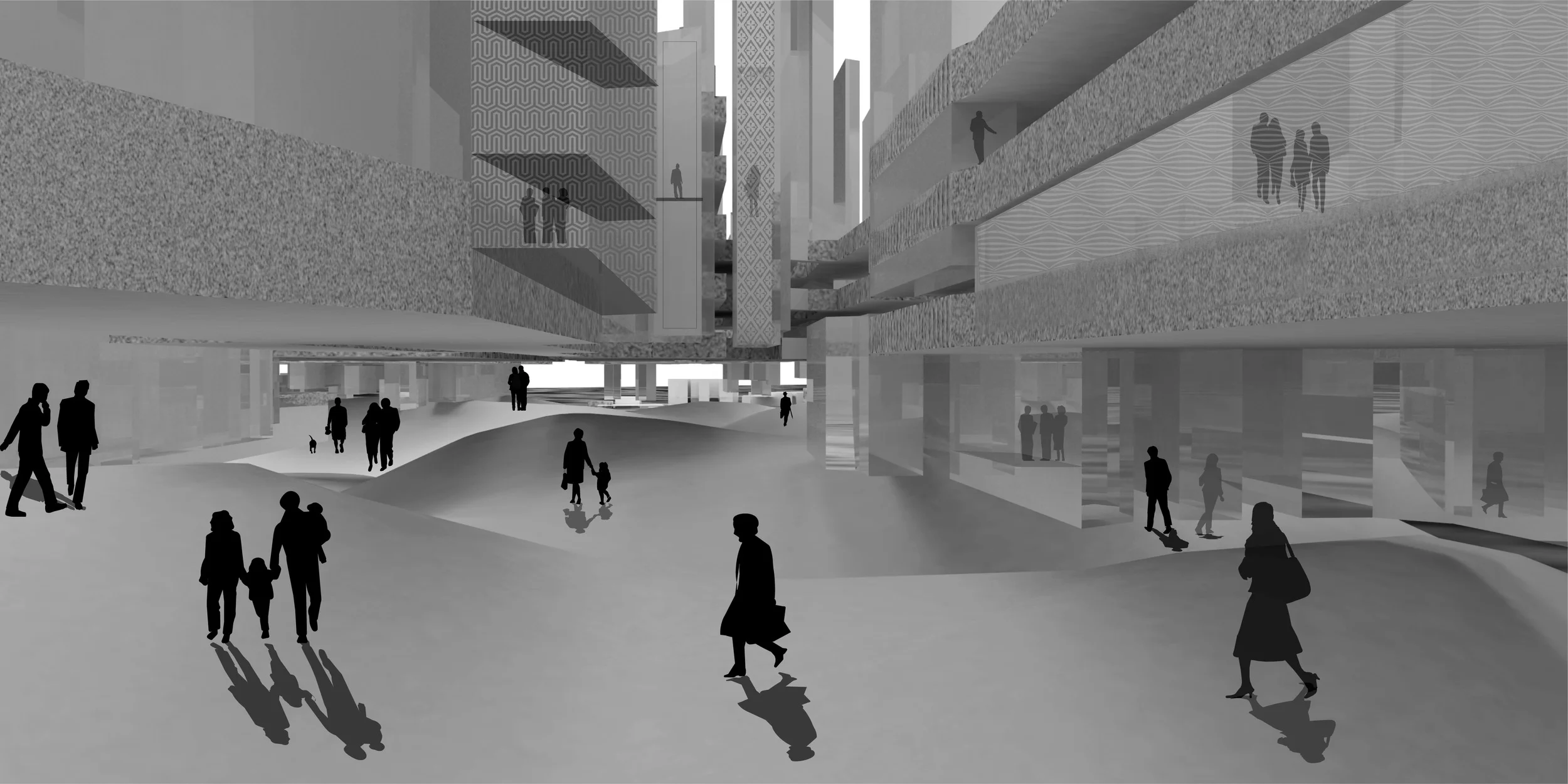
As part of the White Bay/Pyrmont Precinct Redevelopment, the project utilized computational processing to explore organisation of mass urban fabric rather than conventional urban design strategies which would be far too limited and produce static results. With the assistance of computation, specific generative relationships were established and investigated. Through detailed analysis into proximity distances, modular programmatic areas and three-dimensional circulation connectivity, an urban condition was developed.
This urban environment developed a series of modular spaces that respond, shift, and change in relation to surrounding programmatic arrangements and events. Constant smooth path of circulation enables efficient movement throughout the site, and crowd distribution and occupancy spread evenly throughout all levels, redefining the ground plane.
Project Team: Ben Yee, Melissa Riley, Sally Hsu
Project Tutor: Anthony Burke, Ben Coorey, Ben Hewett
Master of Architecture
Spring Semester 2009
University of Technology, Sydney
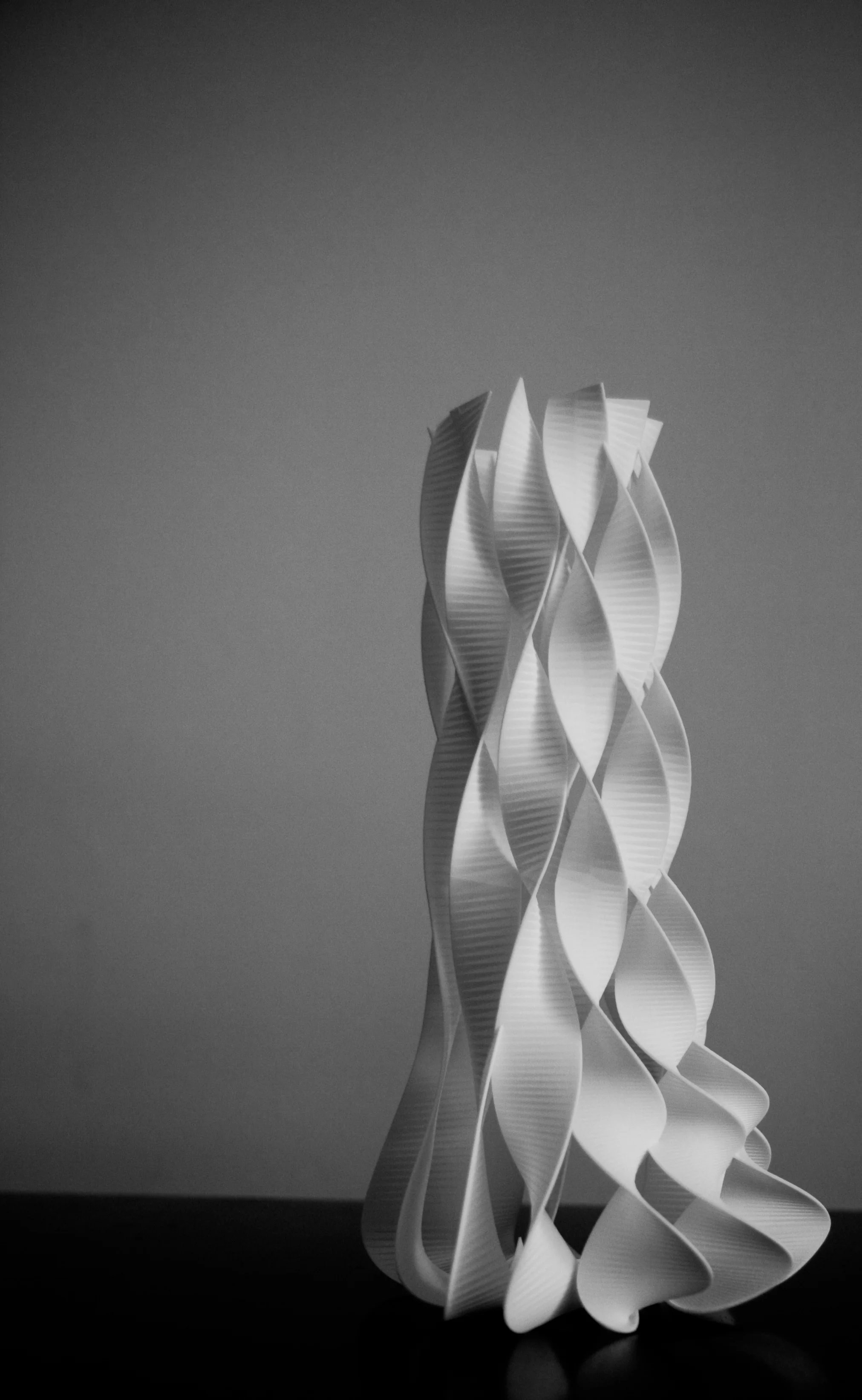
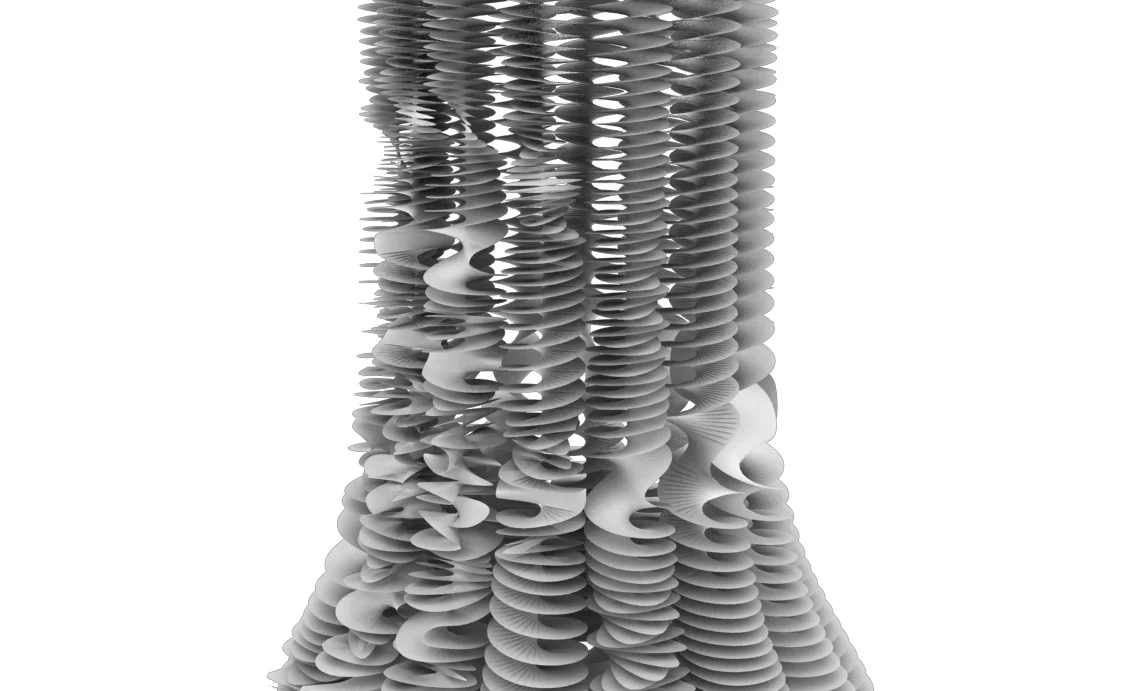
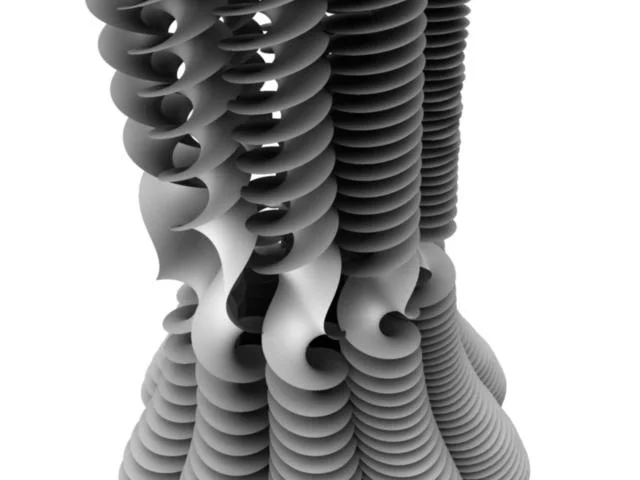
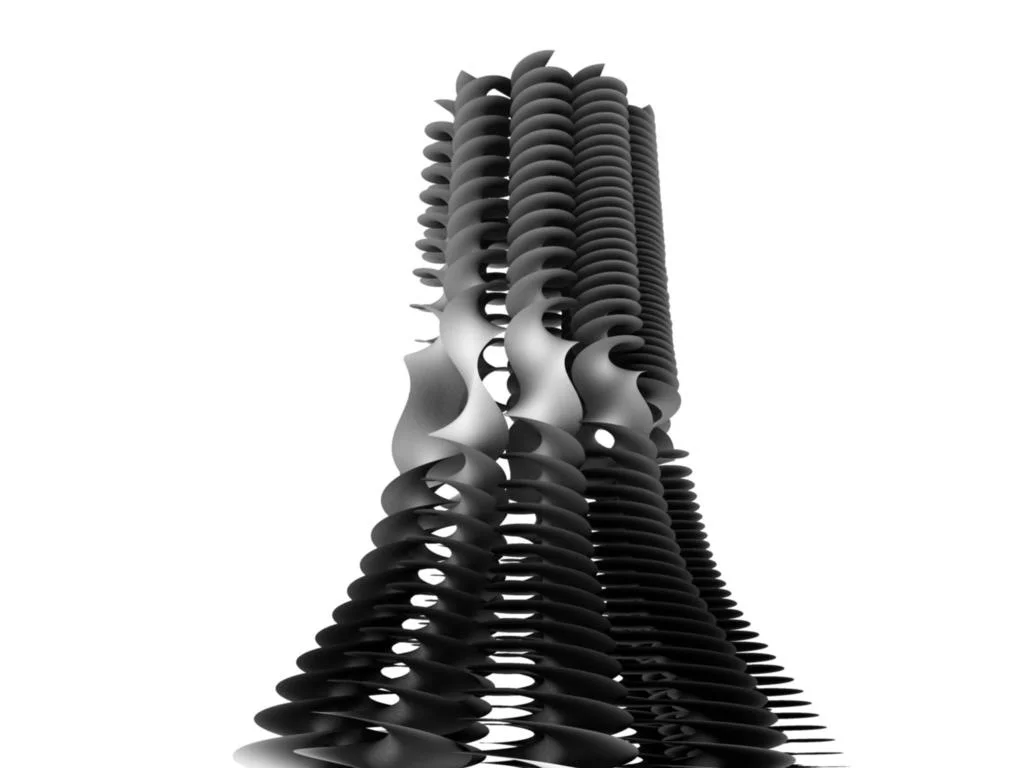
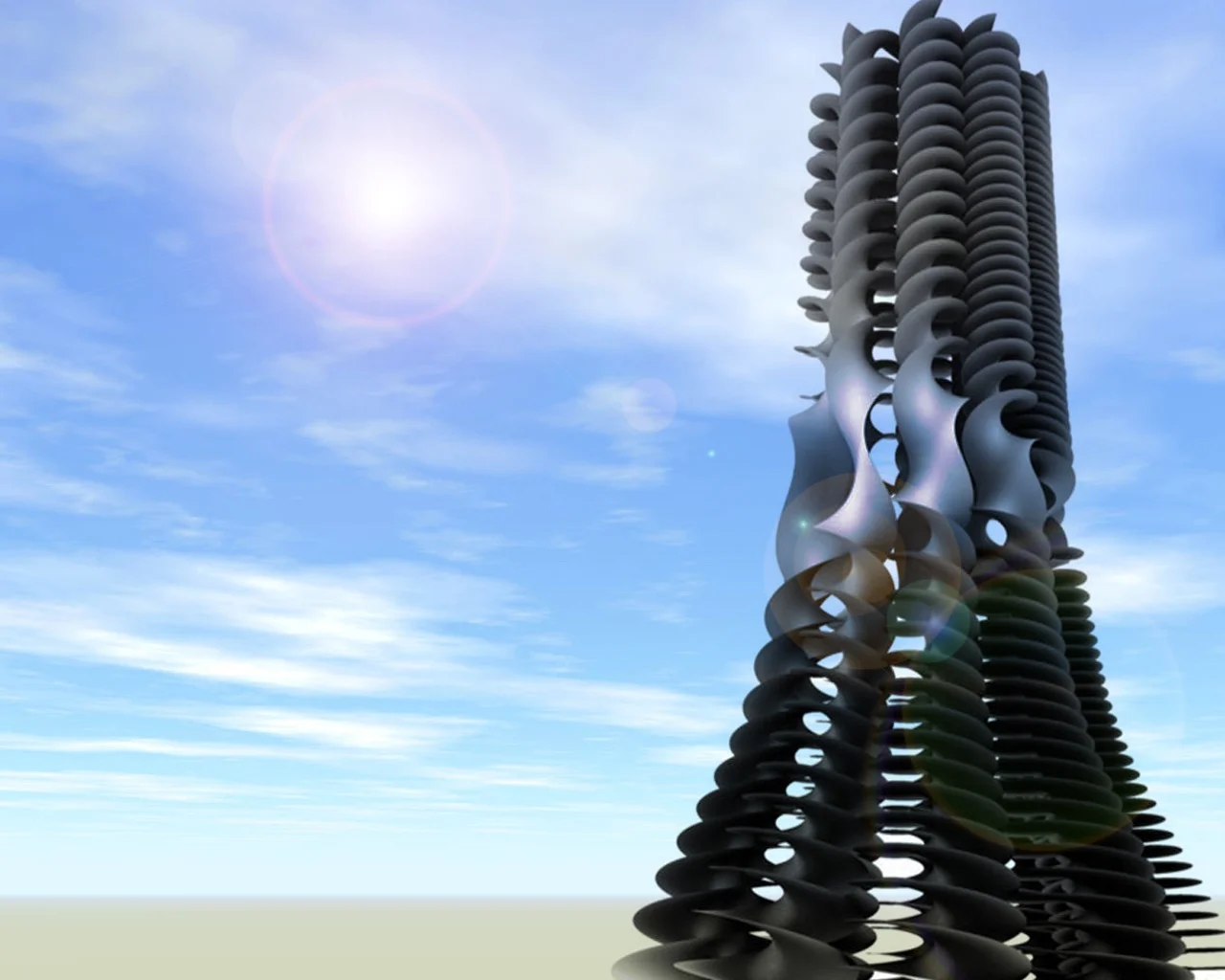
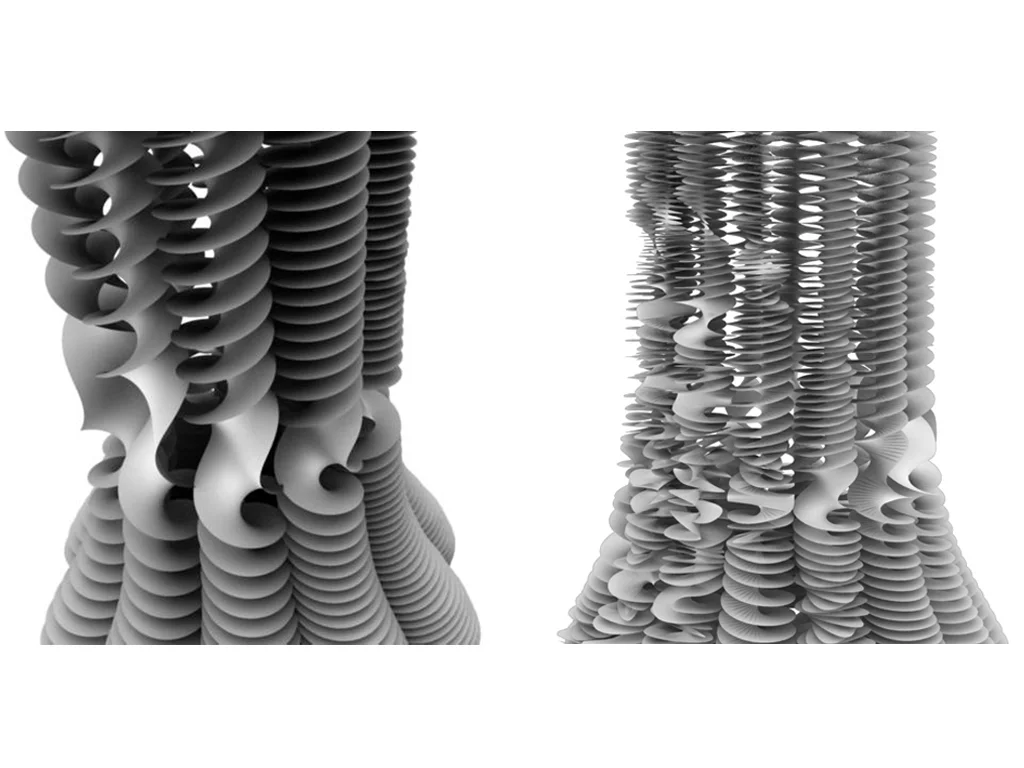
An experimental project based on producing and re-interpreting a precedent study – Herzog De Meuron’s Railway Signal Box in Basel. The special effects of the façade result from slightly twisted copper plates shielding the signalling electronics from electromagnetic interference.
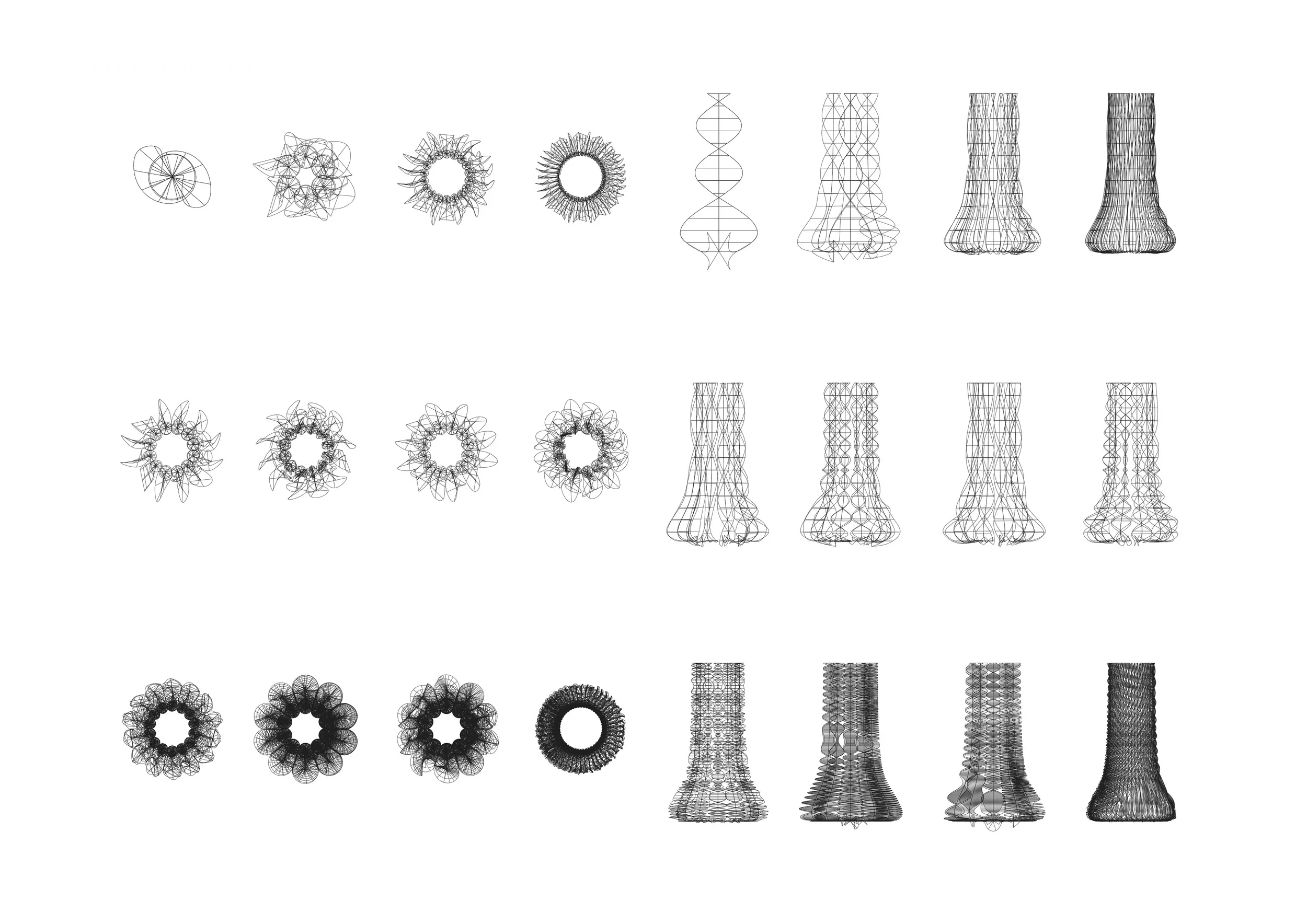
This example of blending functionality with aesthetics was similarly applied to the Parametric tower. The parametricism is generated from a single strip component that could be twisted, repeated and manipulated based on the sun’s path.
This project combined various material system typologies such as rotational, fold and extension as a way of representing the territories and fields. Using grasshopper, I was able to explore the modelling and iterations beyond comprehension.
Project Team: Ben Yee
Project Tutor: Gabrielle Ulacco
Master of Architecture
Autumn Semester 2010
University of Technology, Sydney
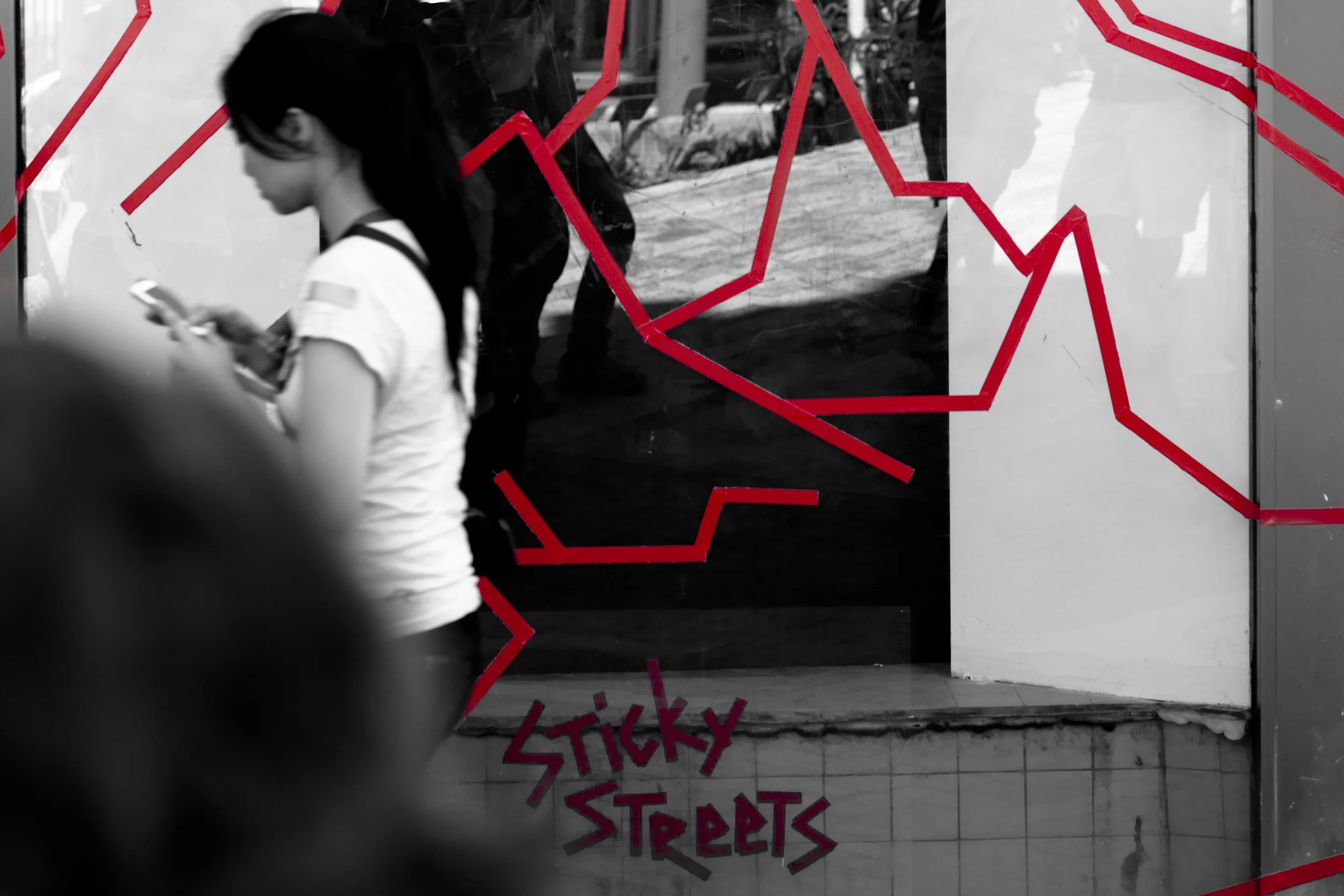
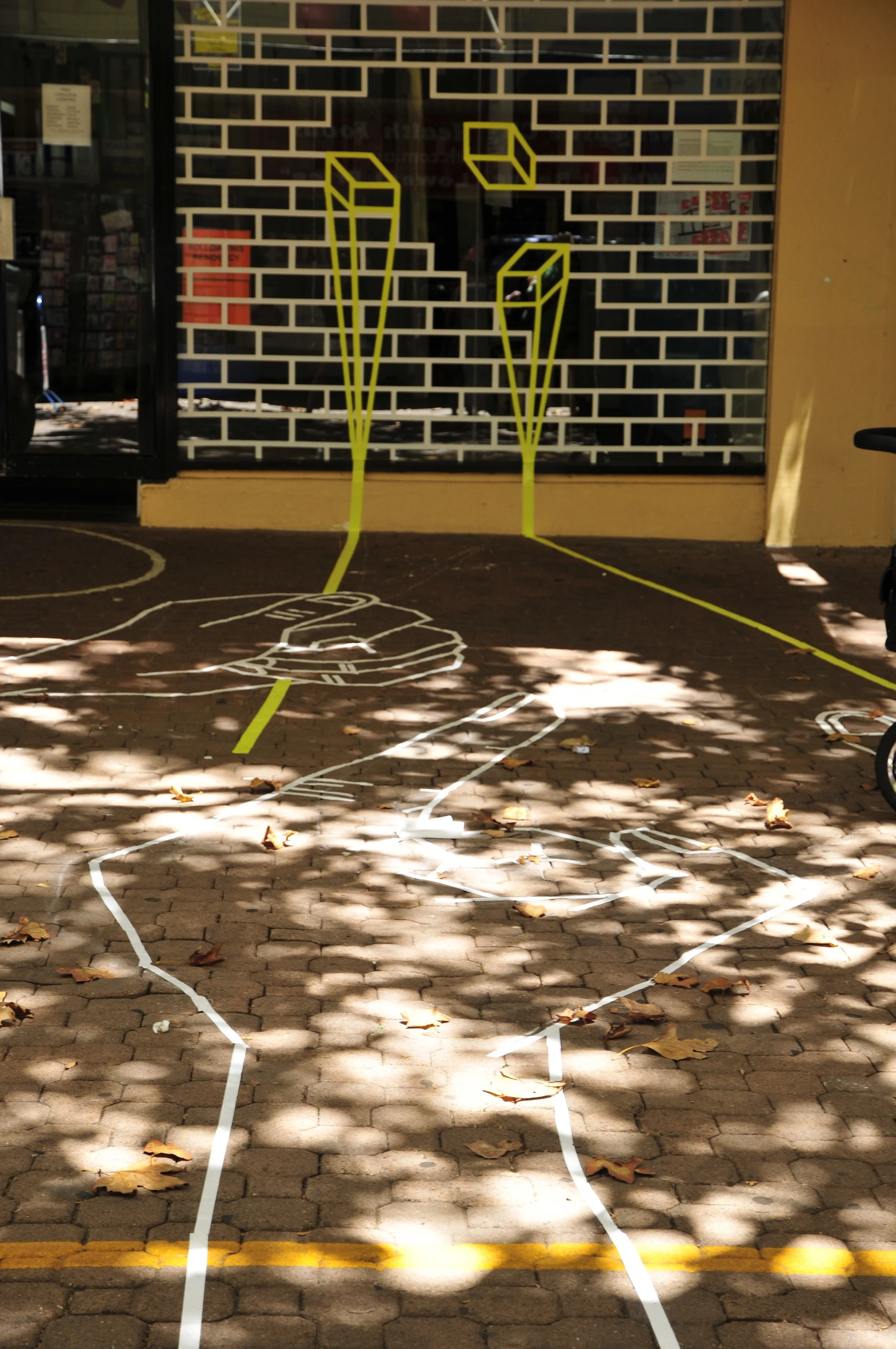
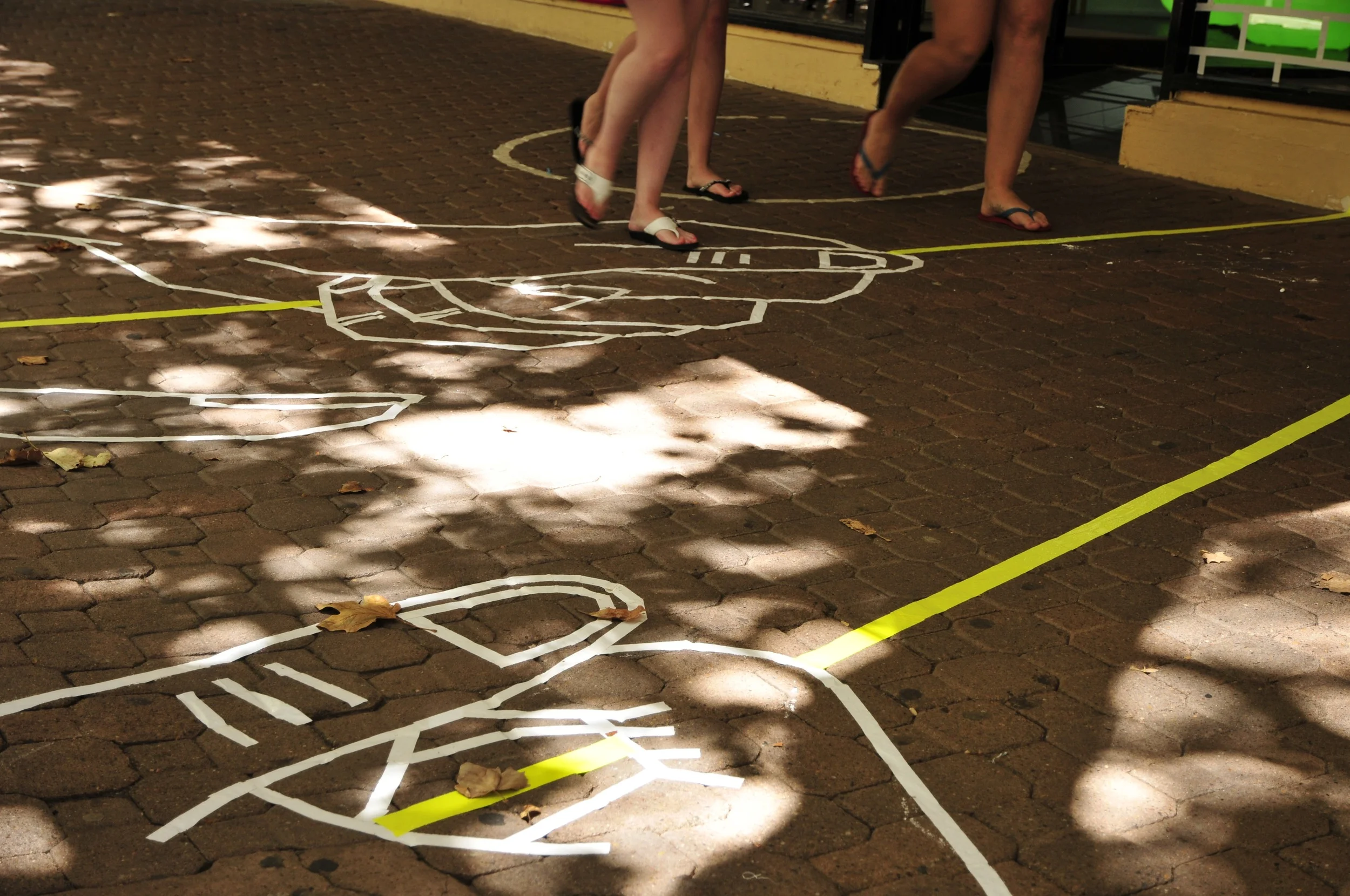
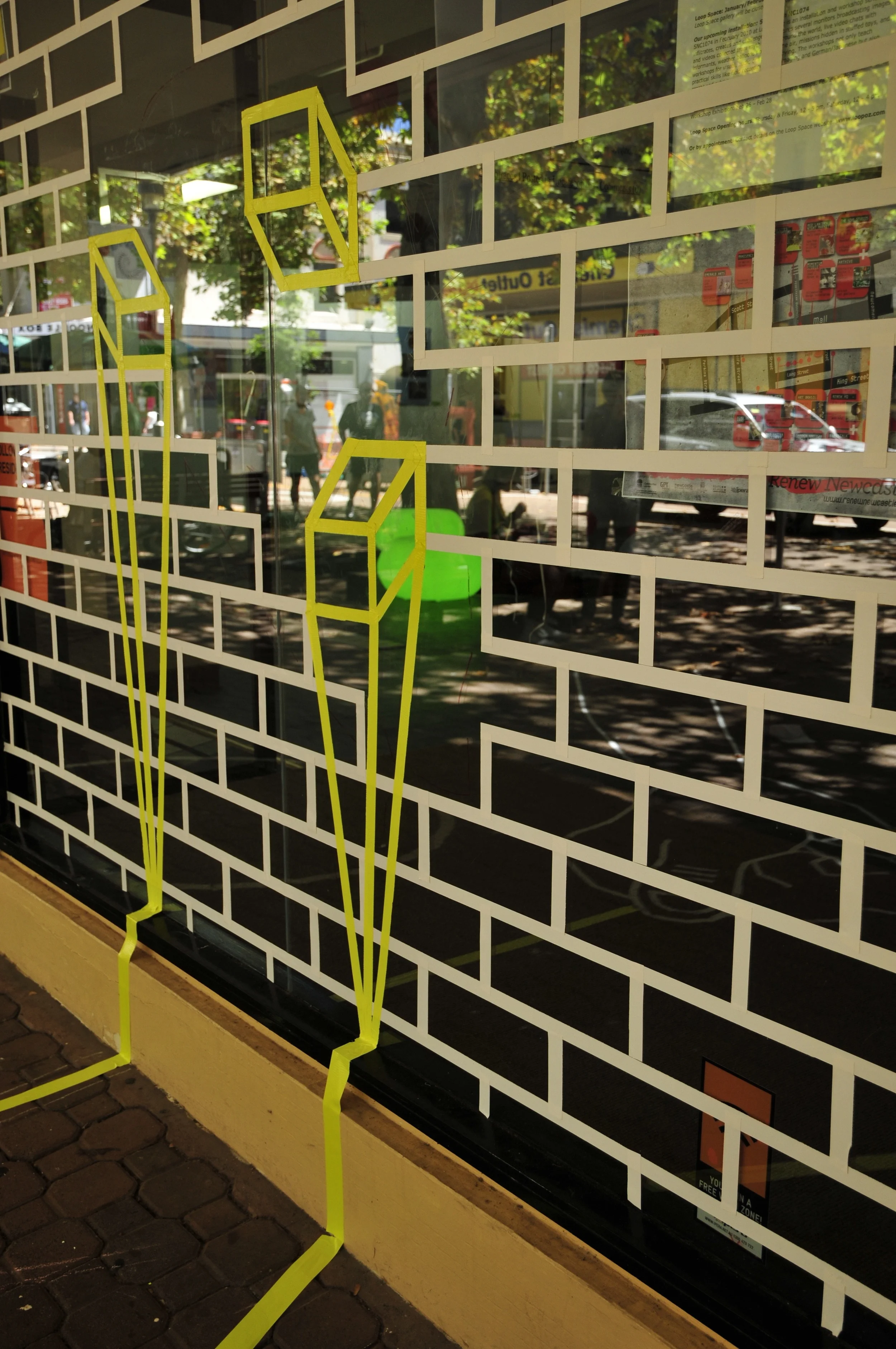
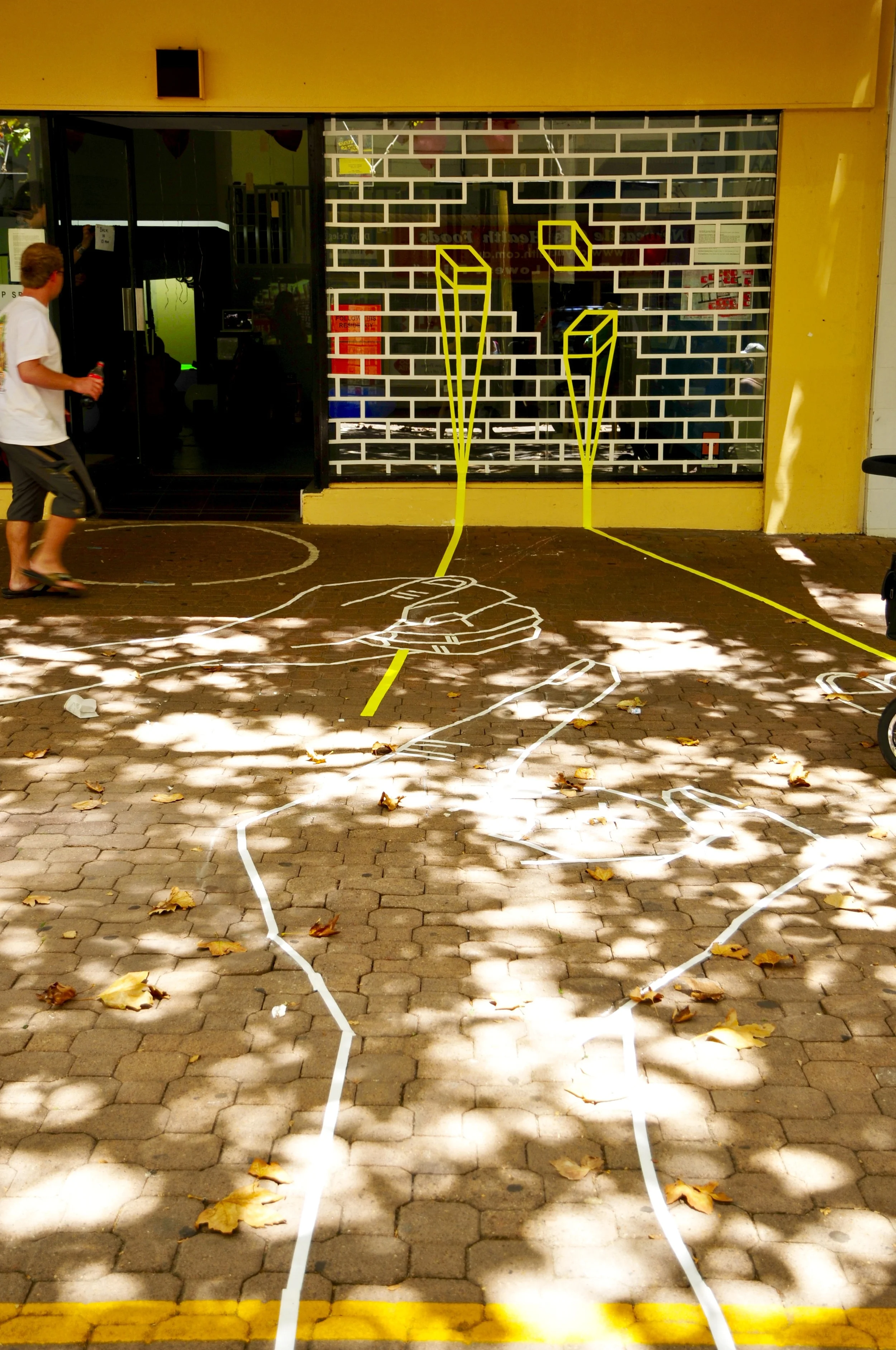
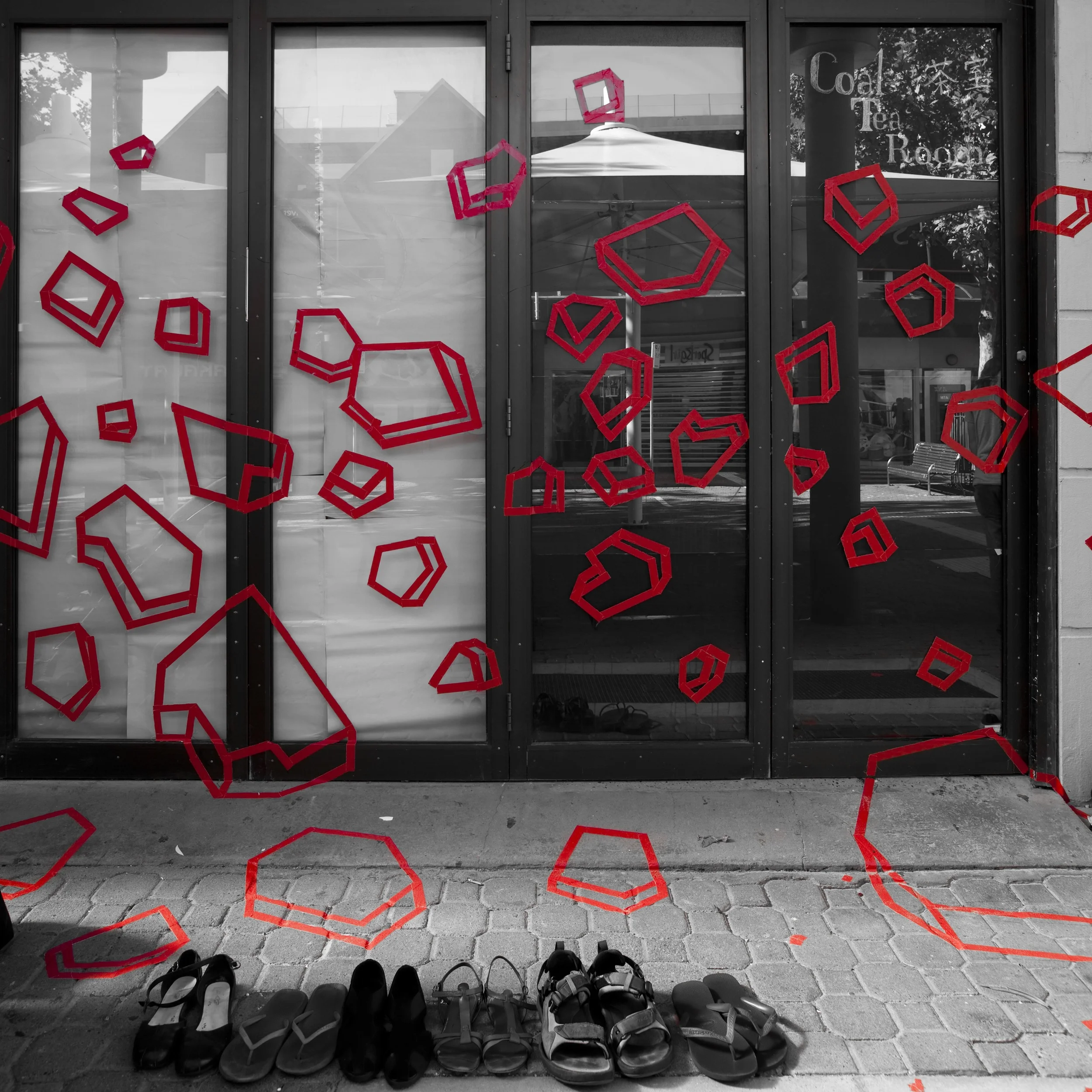
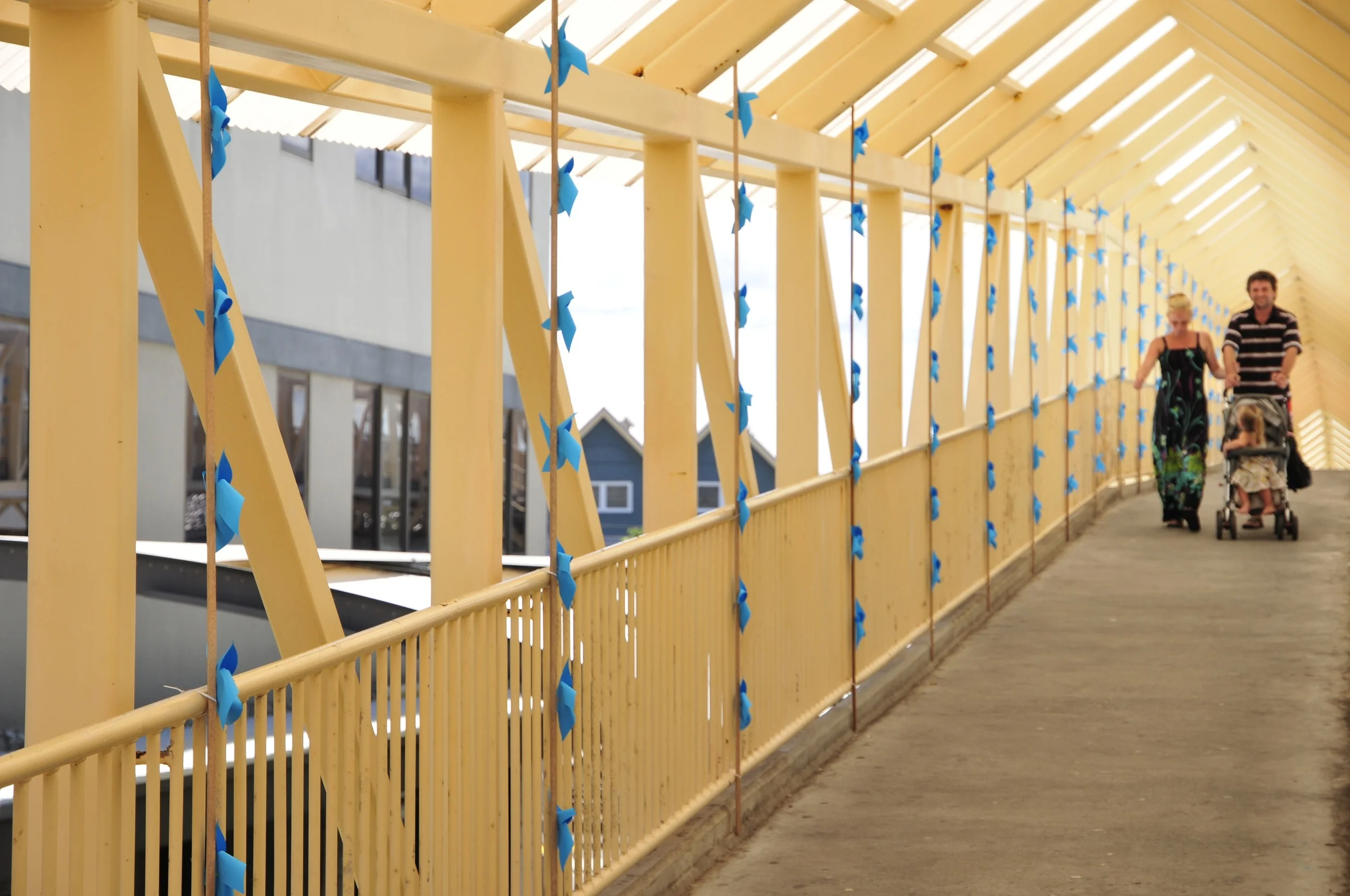
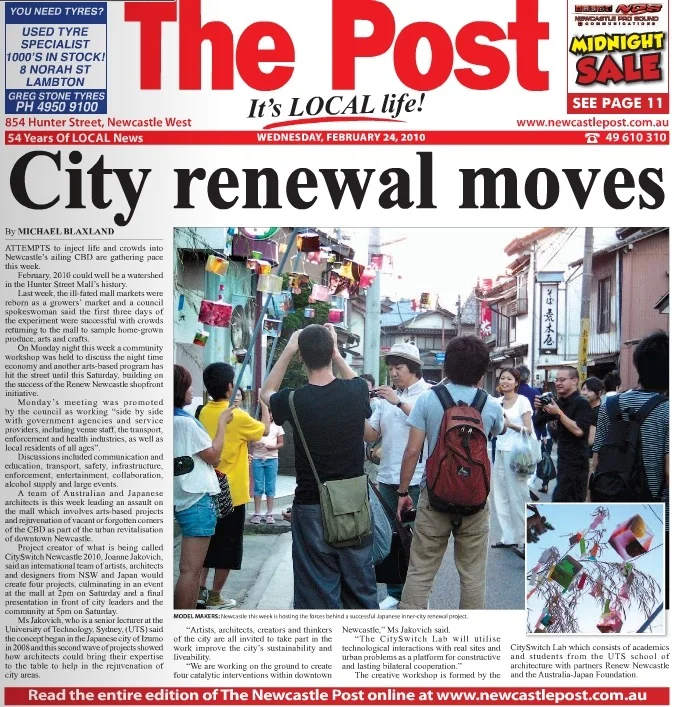
Conducted by an international team of artists, architects and designers from NSW and Japan, CitySwitch Newcastle 2010 is a creative workshop investigating how intensive spatial media interventions impact urban enterprise.
As part of an urban revitalisation of downtown Newcastle, this project was a tape art mural installation on the windows of 3 empty shops combined with impromptu street performance. These murals portrayed on each of the windows relate to the existing urban condition of Newcastle.